Anchorage holds first municipal training on government-to-government ties with native village of Eklutna
Loading...
Summary
Municipal officials, the native village of Eklutna and the Alaska Federation of Natives met at a Lusack Library session to explain the government-to-government relationship established by AO 2020-137, discuss Eklutna River restoration, health services and cultural programs, and outline next steps for collaboration.
Kim Waller, the Municipality of Anchorage’s chief equity officer, opened the first annual municipal educational opportunity on government-to-government relations, acknowledging that Anchorage lies within the traditional lands of the Dena'ina Athabascans and introducing the day’s speakers and resources.
Aaron Leggett, president of the native village of Eklutna, said the tribe is the only federally recognized tribe within the Municipality of Anchorage and described the event as part of a long process to formalize municipal-tribal relations. "We're the only federally recognized tribe here in the municipality of Anchorage," Leggett said, and he framed the session as a chance to explain how the tribal government and municipal departments can work together.
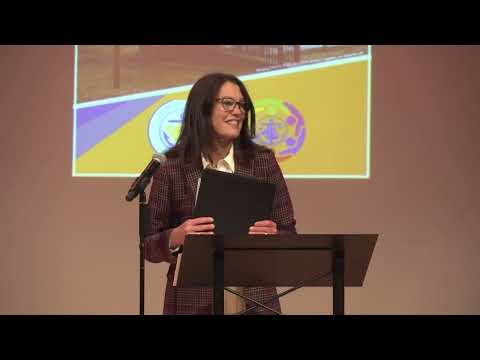
Mayor Suzanne LaFrance praised the collaboration and noted that Assembly Ordinance AO 2020-137, which the Anchorage Assembly passed unanimously, established formal government-to-government relations. She said the work has allowed joint projects — including place-name markers, river restoration efforts and other infrastructure work — and that the municipal partnership has expanded opportunities for mutual understanding.
Assembly Chair Chris Constant described multi-year work to codify the relationship in municipal code, said the regular meetings and joint resolutions between the two governments aim to make municipal decision-making more inclusive, and credited past leaders for beginning the conversations that led to the ordinance.
Kendra Closter, director of government relations at the Alaska Federation of Natives, put the local work in statewide context, noting that Alaska has 229 federally recognized tribes and that AFN’s membership process and resolutions help set priorities such as protecting traditional ways of life, supporting public safety and addressing missing and murdered indigenous people (MMIP). "We are sovereign. We have our own governments," Closter said, emphasizing tribes’ political status and the importance of partnerships across city, state and federal levels.
Speakers outlined several practical items where collaboration is already active or needed. Leggett described tribal governance and the distinction between the tribal government and Eklutna Inc., the village corporation formed under the Alaska Native Claims Settlement Act (ANCSA). He said the original Eklutna Reservation shrank from historical holdings to about 1,819 acres and that the tribe now counts roughly 400 enrolled members across the municipality and state.
On specific programs, Leggett said the Eklutna Community Clinic operates in partnership with Southcentral Foundation, offering same-day appointments and monthly dental services to the broader area. He also discussed the long-running Eklutna River restoration project, saying the tribe has been frustrated by uneven communications from utility owners and referenced a website (klutnarriver.org) and ongoing litigation involving utility company CHUGACH.
During a question-and-answer period, municipal staff and members of the public asked about policing and public-safety coordination, cultural programming, signage, volunteer support for the Alaska Federation of Natives convention, and future projects such as the Alaska Long Trail. Leggett urged a stable municipal point of contact for boards and commissions and said continued, regular communication will be important as the tribe pursues land and economic development projects.
Leggett also acknowledged past opposition to the government-to-government recognition, saying a local group once ran an Anchorage Daily News ad calling the effort a "scam," but he said the ordinance nevertheless passed and the partnership is producing tangible results. The session closed with organizers thanking volunteers, reminding attendees to complete an employee survey, and noting that session materials and a recording will be available at the Lusack Library.
The municipality and the native village of Eklutna said the training will be repeated annually and encouraged staff and community members to use municipal resources and the library’s materials to learn more.