Ione council approves easements to CDCR for recycled-water pipeline after heated public debate
Loading...
Summary
The Ione City Council voted to record easements to the California Department of Corrections and Rehabilitation for a pipeline and related access, after residents raised contamination and transparency concerns and staff said the vote simply cures a prior recording defect; final approval was followed by assurances that any water use would require a separate operating agreement and permitting.
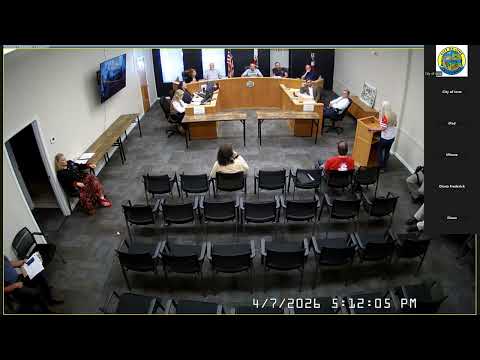
The Ione City Council voted April 17 to authorize easements to the California Department of Corrections and Rehabilitation (CDCR) for a pipeline and related access tied to the Woodward bottom recycled water project, approving Resolution 2026-08 after extended public comment and council discussion.
Supporters, including city staff, described the measure as a paperwork correction to memorialize infrastructure built years earlier and said the easement does not, by itself, authorize water to flow through the pipe. "This is a step that CDCR would like done before we move on to that stage," City Manager George Lee told the council, adding that "no use of the pipeline would occur until" a separate operating agreement, indemnity and payment terms are in place.
Opponents in the audience and on the dais voiced strong concerns about CDCR’s environmental record and local water quality. "How can we trust them?" resident Patricia Anjija asked, citing reporting that a 2025 discharge at Mule Creek had not been addressed in council agendas. Multiple residents referenced past contamination findings and demanded thorough testing and public access to agreement terms.
Council debate focused on whether circumstances had changed since a similar item failed in 2019. Some members said renewed cooperation and CDCR’s increased payments make moving forward reasonable if the city retains operational control. "The difference for me has been working on capacity, disposal, infrastructure, and water quality and making sure we get to control that through the city," one council member said. He added that funding from CDCR could help the city upgrade treatment systems to meet water-quality requirements.
After public comment and discussion, a motion to adopt Resolution 2026-08 passed by voice vote, with the mayor reporting the tally as four in favor and one opposed. Council members and staff reiterated that any transfer of wastewater for irrigation or other uses would require separate permitting from regional water boards and an operating agreement spelling out monitoring, emergency repairs and payment terms.
What happens next: the recorded easement creates a legal record of the access and pipe rights but does not change the city's permitting obligations; staff said they would return with operating-agreement details and related documents for future council consideration.