Lifetime Citizen Portal Access — AI Briefings, Alerts & Unlimited Follows
Escambia County EMS supervisor outlines countywide opioid recovery 'core' program, says it has served about 600 people
Loading...
Summary
Joey Kerman, a supervisor at Escambia County EMS, described the county's "core" opioid recovery program, its 2023 rollout, outreach to unhoused residents, use of medication-assisted treatment and social supports, and reported the program has seen roughly 600 patients to date.
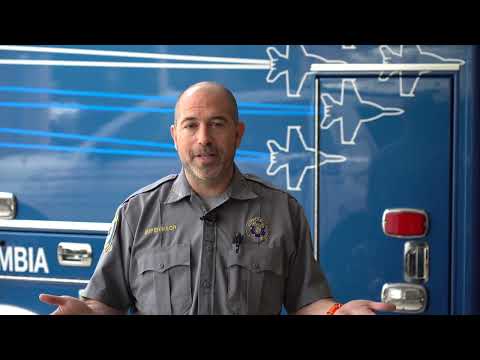
Joey Kerman, a supervisor at Escambia County Emergency Medical Services and head of Escambia County's "core" opioid recovery program, described the countywide effort and said it has enrolled about 600 patients since it began seeing cases in 2023.
"Core program is the coordinated opioid recovery effort, which was implemented in the state of Florida," Kerman said, noting that Escambia County was part of the initial rollout because it "led the state in per capita deaths from drug overdose." He said the program was tasked with developing solutions to reduce barriers to care and to bring treatment to people in the environments where they live.
Kerman said outreach teams "find people where they're at," including unhoused people on the streets, and that staff have worked across the county "from Century to the Key to the beach." He described a clinical approach that uses medication-assisted treatment to stabilize patients "so they're able to actually seek help instead of just feeling sick all the time."
The program, Kerman said, began seeing patients in 2023. He told the meeting that an internal target had been 250 patients but that the caseload grew to roughly 600 patients "from patient 1 to patient 600 where we are now." Kerman credited a multidisciplinary team for helping people feel comfortable enough to enter treatment and described outcomes including fewer arrests, fewer emergency-room visits and more people reconnecting with family and obtaining employment.
Kerman framed addiction as a clinical disease and emphasized connecting people to counseling, social services and continued supports after initial detox. He said staff provide resources to help people through the first 24 hours, which he identified as a key window for getting patients into care.
Kerman provided a contact number in the meeting as "850477" and said that when staff are out of the office calls roll to team cell phones; the number recorded in the transcript appears incomplete. He also said the program has joined forces with other organizations in the field to guide people into recovery and to reduce the stigma and fear of seeking help.
Kerman concluded by describing the personal rewards of the work: seeing people "become their own heroes of their own story" and regain control of their lives. No formal votes or motions were recorded in the transcript of these remarks.