Newberg SD 29J budget committee hears $5.7 million shortfall; staff and program reductions proposed
Loading...
Summary
Superintendent Dave Parker told the Newberg School District 29J budget committee on April 7 that the district faces a $5.7 million gap for 2026–27 driven by enrollment declines, rising labor and benefit costs, and unfunded state mandates. The administration outlined reductions including staff FTE trims, program changes and four furlough days and asked the committee for follow-up figures at a May 5 meeting.
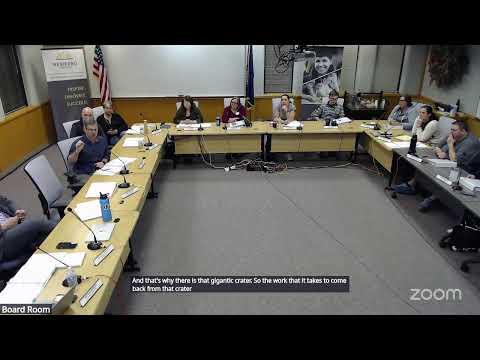
At a budget committee meeting on April 7, 2026, Newberg School District 29J Superintendent Dave Parker and CFO Nathan (Nate) Rodell presented a proposed 2026–27 budget that shows a $5.7 million shortfall and lays out a package of staffing and program reductions to close the gap.
Parker framed the district’s situation within a statewide context, saying that although total state funding has increased in recent biennia the state has not funded the Quality Education Model (QEM) target. He told the committee that the combination of declining enrollment, rising labor and benefits costs, and unfunded mandates—citing Paid Leave Oregon and new course-credit requirements tied to a recent bill—has left the district with a structural deficit.
The administration’s proposal includes a class-size-driven staffing plan and programmatic adjustments intended to realize the $5.7 million savings. Parker said the district has already reduced roughly 76.75 positions over the past two years and shortened the school year; proposed additional reductions include a staffing target that would reduce classroom teachers by roughly 17.5 FTE (concentrated at the elementary level), a 9.1% reduction in administration and about 9.4% fewer licensed positions overall. Specific line items cited: elimination of district-based teachers on special assignment, elimination of 5 special-education assistants (some through attrition, some by reduction in force), about 2.5 English-language-development FTE reductions tied to a program model change, one technology FTE, and a 0.5 data specialist. The district also proposed continuing four furlough days; Rodell said the payroll savings per furlough day are about $236,000.
Parker said the proposed staffing plan assumes larger class-size averages (examples cited: K–3 at about 24.5:1, 4–5 at about 27:1, middle school averages higher to reflect schedules and the high school at roughly 33:1) and acknowledged tradeoffs such as trimming sections of PE and music as sections are reduced. He emphasized that counseling and core early-literacy supports were prioritized and should be protected where possible.
Rodell briefed the committee on revenue assumptions: the proposed general fund total is about $61.25 million, financed primarily by the state school fund (about 56.4%) and local property taxes (about 38.5%). He said the district currently projects an ending fund balance of roughly $1,000,000 (about 1.6%), well below the board’s 7% policy target. Rodell also explained that if the district’s local option levy—on the May ballot—passes, the committee would reconvene to reset appropriations and include levy revenue; if the levy fails, the district would proceed on the current schedule with the May 26 budget hearing and adopt the budget by the statutory deadline.
Committee members asked detailed follow-up questions about the ELD changes, whether cuts are driven by enrollment versus program redesign, the long-term plan to rebuild reserves (discussed as a multi‑year effort), the anticipated PERS cost increases when certain bond offsets sunset, and whether there are grant or shared-service options available through the ESD. Parker and Rodell committed to return with more granular figures on staffing costs, PERS projections, state school fund updates and comparative district analytics at the next meeting on May 5.
“The gap we’re facing is larger than we expected,” Parker said in the presentation. “We’ve preserved space in the system to build a revised budget quickly if the levy passes, but absent new revenue we are looking at difficult choices to restore fiscal stability.”
Next steps: the budget committee will meet May 5 to review the requested follow-up data. The administration has a placeholder May 19 meeting if additional action is needed; the budget hearing is scheduled for May 26, but if the levy passes that hearing/adoption would shift into early June to allow notice and appropriation revisions.