Commission approves mussel‑grow‑out intake and Stones River range upgrades
Loading...
Summary
The commission approved retroactive design services for an intake at Lillard's Mill to support a mussel grow‑out facility and authorized range‑wall replacements at Stones River Hunter Education Center, citing federal reimbursements and Pittman‑Robertson funding.
The State Building Commission granted approval for two Tennessee Wildlife Resources Agency projects: retroactive authorization for design services at Lillard’s Mill to support a mussel grow‑out facility and a Stones River Range Walls project to replace aging berms and add shooting lanes.
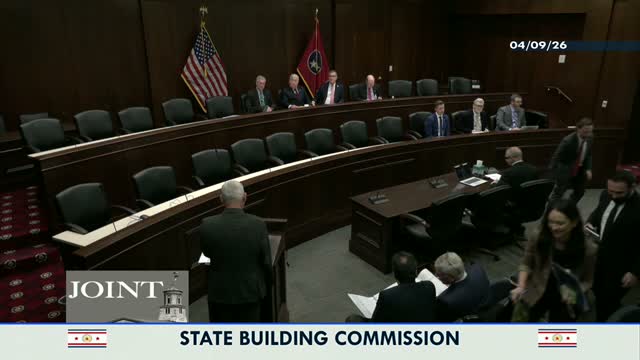
Jason Maxodon, director of the Tennessee Wildlife Resources Agency, asked the commission to retroactively approve use of Griggs and Maloney for design services to build a small intake and catch basin on the Duck River to supply water for a mussel propagation grow‑out facility at Lillard’s Mill in Marshall County. Maxodon called the intake “essential” for the grow‑out phase and said current operations at the Cumberland River Aquatic Center cannot support the grow‑out phase because of space and water‑quality limits. He presented a project estimate of $820,000 and outlined funding: $210,000 fully reimbursable federal funds and $610,000 reimbursed at 65 percent, yielding an approximate state match requirement of $210,000 from the agency’s wildlife fund; additional offsets from the Tennessee Aquatic Resources Fund were described as still being finalized.
Maxodon also presented the Stones River Hunter Education Center project (Rutherford County), which would replace dirt berms with engineered concrete backstops, add shooting lanes to expand public access (about 8,000 visitors annually), and perform lead‑remediation work for the backstops. He said the total project cost is $2,500,000 and that the project qualifies for 90 percent federal reimbursement through Pittman‑Robertson funds; he told commissioners no additional staff would be required.
Both items were approved by voice vote after motions and seconds. The transcript records the approvals but does not include vote tallies by name.
Ending: The commission approved both TWRA requests and thanked the director; no further follow‑up tasks or reporting requirements were recorded in the transcript.