Get AI Briefings, Transcripts & Alerts on Local & National Government Meetings — Forever.
Board members cite falling support for cooperative budget after SAU 41 proposals fail
Loading...
Summary
Members reviewed a decade of voting history and noted the cooperative budget's approval rate fell from 81% in 2016 to 46% this year; they discussed SB2 effects, turnout differences, and the need for clearer outreach and vote-counting for large budgets.
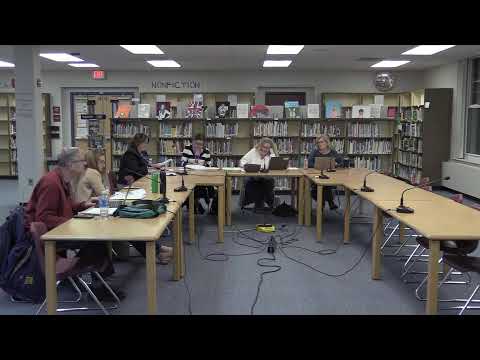
Board members used the April 8 meeting to analyze recent vote outcomes and community sentiment after several SAU 41 proposals failed this year.
"This is the first year in my memory that the SAU budget did not pass," a board member said, pointing to a pattern of declining support in cooperative votes dating to 2016. The board reviewed percentages across multiple years and noted the cooperative budget fell to 46% this year from highs near 80% in earlier cycles.
Members discussed how SB2 procedures and turnout patterns affect results and urged clearer communication and outreach ahead of future warrant articles. One member proposed asking the SAU office to provide more detailed counts for large budgets and suggested possible tactical use of reserves to smooth tax impacts while preserving essential services.
Board members also described the budget drivers they view as most influential: debt service for recently approved bonds (including a combined bond for solar and HVAC projects) and rising health-care costs tied to staff contracts. The board agreed to continue analyzing voting patterns and to coordinate messaging and engagement across the SAU before next year’s warrant.