Tamarac reviews two 99‑year public‑private proposals to redevelop municipal complex
Loading...
Summary
City staff and Colliers presented two conceptual proposals for a new Tamarac City Hall and mixed‑use municipal complex—one where the city would build and own City Hall and one where a developer would build and lease it for 30 years. Commissioners pressed for clearer NPV math, protection for public‑safety facilities and more community input.
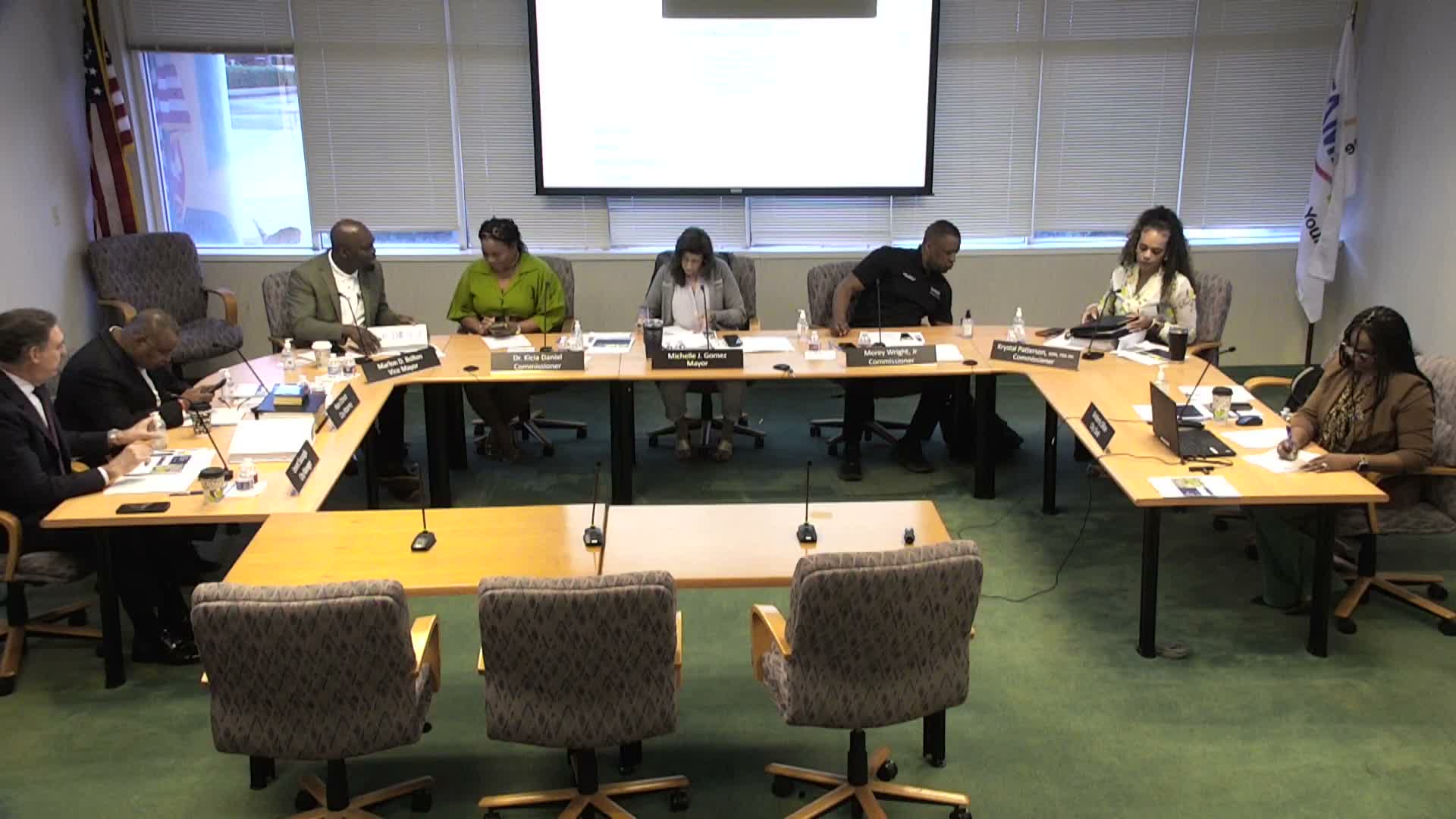
City commissioners heard a side‑by‑side presentation April 6 on two conceptual proposals to redevelop the municipal complex and build a new city hall.
Consultants from Colliers International presented Adler Development’s plan for a city‑owned 112,500‑square‑foot municipal center paired with mixed‑use development and revenue sharing, and Sonnenblick Development’s proposal to deliver a similarly sized civic building as part of a higher‑density, developer‑funded project that would rent the building to the city for roughly 30 years and transfer ownership for $1 at term end. Both teams proposed long ground leases (99 years) and significant residential, retail and hospitality components at the existing site and a second “Nob Hill” parcel.
The key distinction is structure: Adler’s model would require the city to secure bonds to build City Hall and receive longer‑term tax benefits and a 4% share of gross revenues, while the Sonnenblick model would have the developer finance construction, charge rent of about $5 million per year for roughly 30 years and share a smaller portion of revenues, focused on hospitality receipts. Consultants presented nominal tax‑benefit projections over 99 years and sample net‑present‑value (NPV) calculations; staff emphasized these were preliminary, conceptual figures.
Commissioners pressed staff and the Colliers team for specific financial assumptions and comparables. One commissioner asked for appraisal data and noted the appraised land value cited in discussion (roughly $45 million), saying that NPV and timing matter when comparing nominal long‑term projections. Other commissioners raised operational concerns: ensuring existing public‑safety facilities (fire stations and BSO space) remain functional or are incorporated into plans; accommodating city fleet and maintenance operations; and protecting resident interests in a deal that ties municipal land up for nearly a century.
Legal and procurement questions also dominated discussion. Commissioners and the city attorney reviewed how the initial solicitation was framed (an offering memorandum/RFP exploratory process), cone‑of‑silence rules triggered by an RFP, and options for reissuing or modifying procurement documents — including RFQ, RFP, unsolicited proposals or restarting the process if the commission wants different requirements. Several commissioners suggested obtaining more detailed NPV breakdowns, adding city‑driven specifications, and increasing public outreach before committing to a procurement path.
Staff and consultants said the presentations were intended to surface policy direction rather than finalize terms. Presenters said they had explored market interest (contacting roughly 190 developers) and produced thick submittals; staff recommended sitting down with the commission to clarify priorities, then returning with more detailed programming, financial analysis and potential procurement revisions. No final selection or binding action was taken at the meeting; commissioners directed staff to refine requirements, pursue additional feasibility analysis and return with a more detailed package for public review and a formal vote.
What happens next: staff said it would convene with the commission to draft more specific evaluation criteria, clarify which site uses and public‑safety accommodations are required, and then determine whether to reopen procurement with a revised offering or take a different acquisition path.