Get Full Government Meeting Transcripts, Videos, & Alerts Forever!
Get email alerts on the Absentee Voting topic
No spam. Unsubscribe anytime.
Bill to scan early in‑person absentee ballots before election day draws security and efficiency debate
Summary
Representative Wescow said House Bill 13‑59 would let counties scan early in‑person absentee ballots at the time a voter completes them and store the images, with tabulation delayed until after polls close; county clerks supported the measure for cost and workload reduction, while the League of Women Voters and election officials warned it risks chain‑of‑custody and secret‑ballot protections.
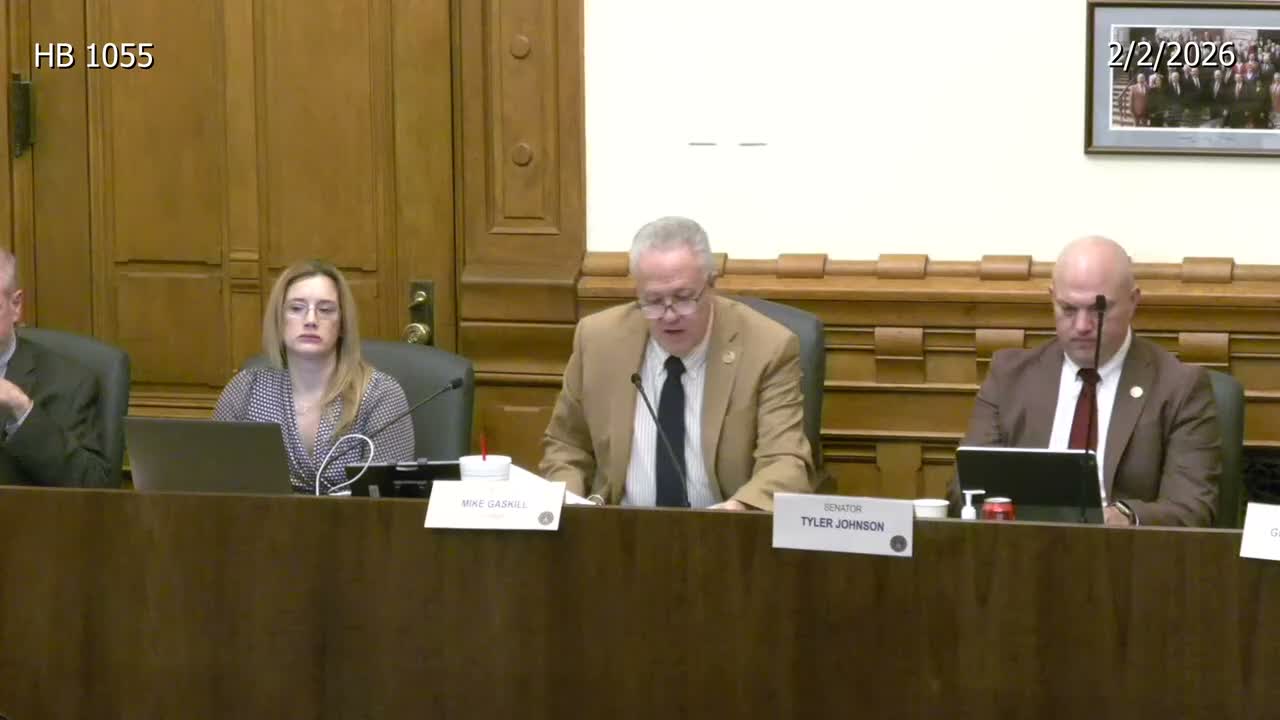
Representative Wescow told the committee that House Bill 13‑59 would let completed early in‑person absentee ballots be scanned when cast and stored in secure containers, but only tabulated after 6 p.m. on election day. "This legislation will allow completed early in person absentee ballots to be scanned in real time and stored in secure ballot containers, but only tabulated or counted after 6PM on election day," Wescow said, arguing the change would reduce handling and bolster confidence.
Several county clerks and county election officials testified in support, saying the change decreases repetitive handling, reduces costs and makes early in‑person voting resemble election‑day voting. Saint Joseph County testimony cited processing over 52,000 early in‑person ballots in 2024 and argued the bill ‘‘would reduce the number of times [a ballot] is touched’’ and make the voter the last person to touch their ballot, which clerks said increases confidence.
Opponents raised security and secrecy concerns. Barbara Tolley of the League of Women Voters testified that the proposal ‘‘introduces exposure and uncertainty into the chain of custody’’ and warned that retraction methods and the removal of security envelopes could make ballots traceable and threaten the secret ballot. An Election Division statement, read into the record by Matthew Kochiver on behalf of the division’s director, said while the change could ease front‑end tasks it ‘‘does not make our elections more secure’’ and argued the current process allows for bipartisan challenges and provisional handling before tabulation.
Election officials and clerks also noted vendor differences and certification issues. Senators asked whether optical‑scan systems certified for retraction exist statewide; witnesses said that one vendor already offers retraction functionality but others do not and that certification work is ongoing. Several clerks urged leveling the playing field across vendors and suggested statutory clean‑ups to make procedures uniform.
Committee members did not take a final vote; the bill was held for a future meeting so members could review technical details and vendor certification status.