Get Full Government Meeting Transcripts, Videos, & Alerts Forever!
Get email alerts on the Insurer Practices topic
No spam. Unsubscribe anytime.
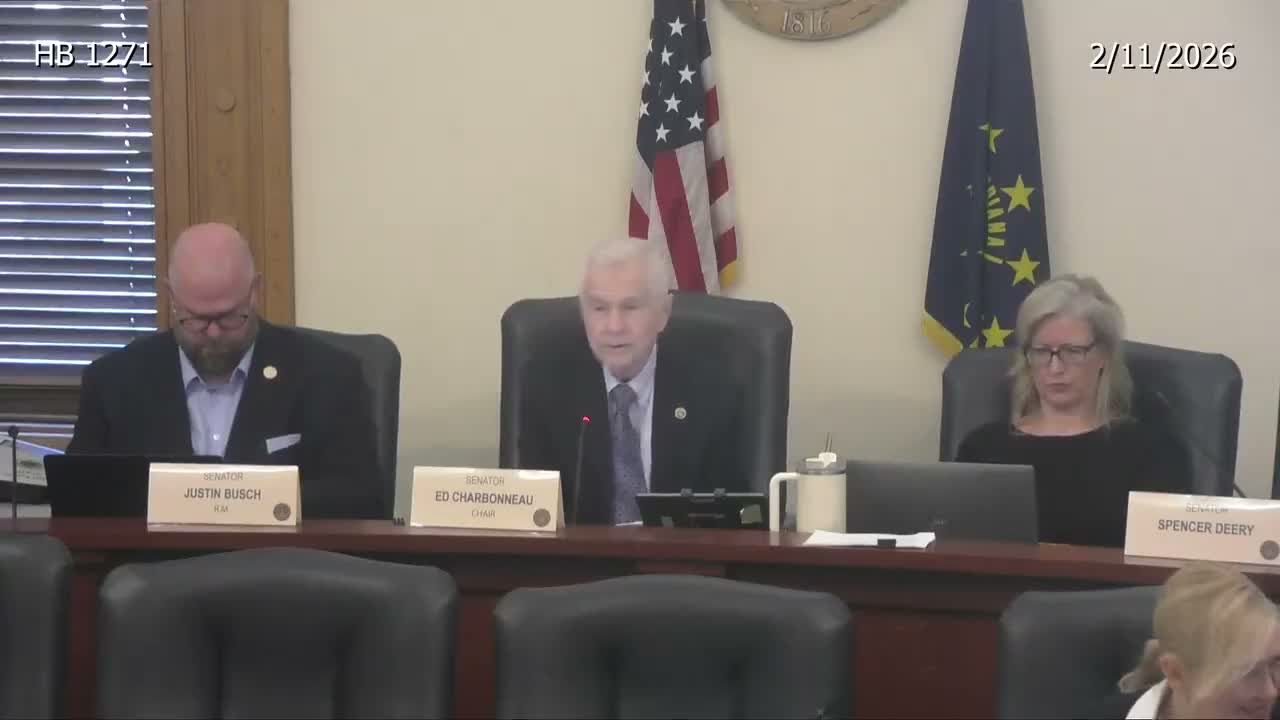
Senate committee moves bill to curb insurer recoupments and ban post-payment downcoding after lengthy provider testimony
Summary
House Bill 12-71 would require hospitals to notify patients about payment assistance, ban downcoding that re-prices care after it's been provided, require 60-day notice before reimbursement reductions, and limit audits/recoupments; committee adopted an amendment changing the lookback to one year and advanced the bill after extensive testimony from providers and hospitals.
House Bill 12-71, presented to the Senate Committee on Health and Provider Services, seeks to set baseline fairness and predictability for how insurers handle claims after care has been delivered. The bill requires hospitals to notify patients of payment-assistance and charity-care options at registration/discharge and with the first bill, bans unilateral downcoding that reclassifies services to a lower-paid code after care has been provided, and limits retroactive recoupment and audit windows.
The bill's sponsor described the measure as preserving patients from avoidable medical debt and protecting providers from post-payment repricing. "Providers should be paid for the services actually rendered according to the contract both parties agreed to," the sponsor said.
An amendment (Amendment No. 5) shortened the proposed retrospective window to one year (from two) for general recoupment protections while allowing a longer audit process in fraud cases; it also included language about AI review and human oversight during audits.
Providers, mental-health clinicians, and hospital executives offered extensive testimony. Erin Tavonin, who coordinates a statewide outpatient network, said the insurer practices of reopening claims, downcoding and late recoupments threaten access to care and cited a recent provider survey showing many clinicians planning to exit insurance networks. "This bill does not create new obligations... It asks you to restore fairness, predictability and common sense to a system that has lost all three," she said.
Steve Freeland of the Indiana Physician Health Alliance described the severe cash-flow burdens on independent practices and urged a shorter recoupment window (he said 180 days is more workable for small practices). Mike Shroyer of Baptist Health Floyd, speaking for the Indiana Hospital Association, said his system saw over $12 million in recoupments last year and described examples of downcoding spanning sepsis to newborn cases.
Insurer representatives said the amended bill contains new protections and an appeal process for downcoding and appreciated being at the table during negotiations. After committee debate over timing and value-based contract language, the committee voted to report the bill do pass as amended with a recorded vote of 12-0.
The bill will be reported to the floor; committee members said they expect to continue work on outstanding details such as the exact recoupment timeline for small independent providers and coordination-of-benefits mechanics.