Get Full Government Meeting Transcripts, Videos, & Alerts Forever!
Get email alerts on the Hb 1335 topic
No spam. Unsubscribe anytime.
Senate hearing on hospital community‑benefit bill surfaces split between transparency aims and rural hospital costs
Summary
HB 1335 would require nonprofit hospitals to align community‑benefit spending with the value of state and local tax exemptions, increase reporting and allow Department of Health corrective action. Witnesses broadly supported transparency but rural hospitals warned of compliance costs and unintended effects on scarce local services.
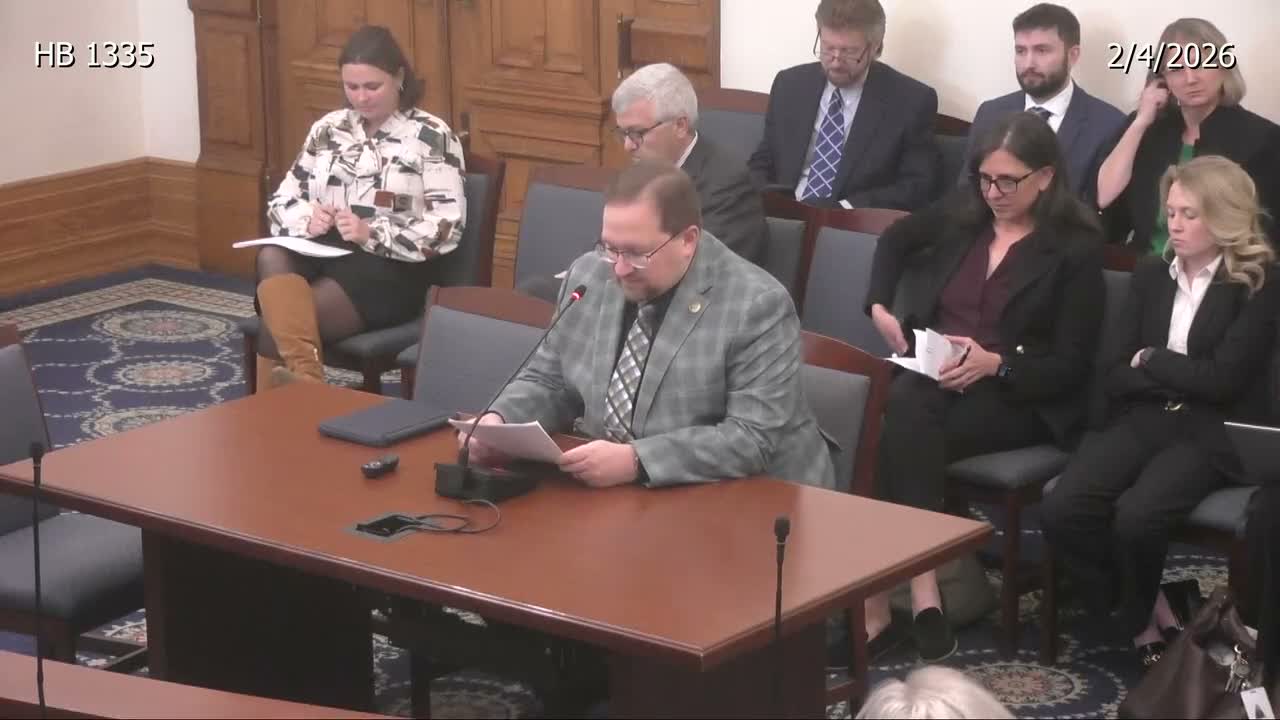
House Bill 1335 drew a lengthy stakeholder hearing in the Senate Health Committee as legislators sought to reconcile transparency and accountability goals with concerns from rural hospitals about costs and feasibility.
Representative Carbaugh framed the bill as a way to ensure that nonprofit hospitals’ community‑benefit spending meaningfully exceeds the state and local tax exemptions they receive, and to encourage investment in workforce development (including clinical preceptors) as an eligible community benefit. Rachel Sportwood, chief of policy for Health and Family Services, told the committee workforce investments and preceptor support are legitimate community benefits that help retain clinicians.
Supporters including the Employers Forum of Indiana, United Way of Central Indiana and community‑action groups said clearer reporting and measurable outcomes are needed to account for tax exemptions and to direct resources where communities most need them. They argued that tying reporting requirements to community health needs assessments will let policymakers evaluate whether tax‑exempt hospitals deliver public value in exchange for exemptions.
Hospital leaders and some senators cautioned that calculating the dollar value of community benefit and tax exemptions is complex and costly, and could place a disproportionate burden on small critical‑access hospitals with limited cash on hand. Brenda Reitz, CEO of Greene County General Hospital, said her hospital has about 10 days cash on hand, recently closed its OB unit because of operating losses, and would struggle with consultant and reporting expenses the bill could require.
Committee members asked detailed questions about which tax exemptions would be included (property, state gross retail/use and state income taxes were identified in bill draft references) and how community‑benefit spending would be measured. Several senators said the policy goal — clarifying public value tied to tax exemptions — is worthwhile, but they signaled that the bill requires additional work on definitions and tailoring for rural providers before advancing; the chair announced the bill would be held for further drafting.
Next steps: Senators said staff will work with stakeholders to clarify definitions of tax exemptions, community‑benefit categories and reporting requirements, with special attention to rural hospitals’ capacity.