Get Full Government Meeting Transcripts, Videos, & Alerts Forever!
Get email alerts on the Maternal Health topic
No spam. Unsubscribe anytime.
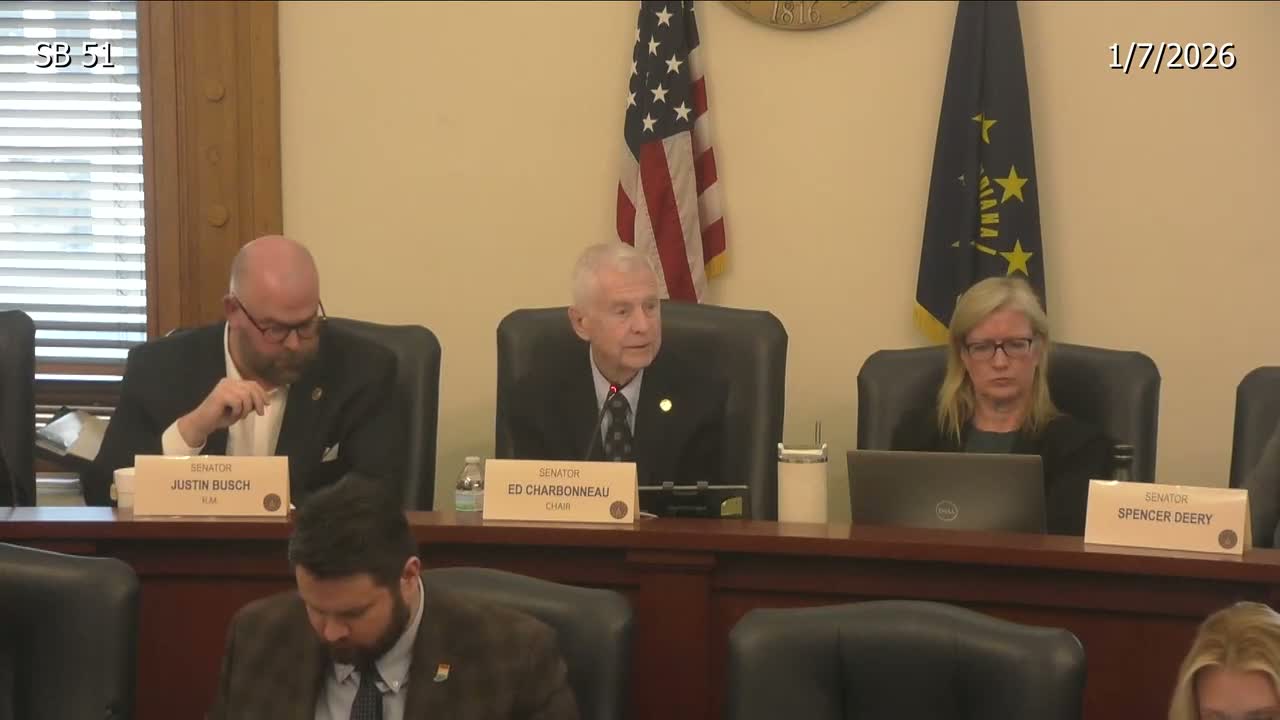
Committee hears SB 51 to require scheduling of postpartum follow-up for Medicaid patients; language to be refined
Summary
SB 51 would require hospitals, prenatal/delivery providers and Medicaid managed-care plans to help schedule postpartum follow-up visits within 60 days of delivery for Medicaid-eligible patients. Witnesses including ACOG and hospital systems supported the intent but senators and providers flagged drafting ambiguities to be corrected.
The committee heard extensive testimony on SB 51, which would require hospitals, prenatal or delivery care providers, and Medicaid managed-care organizations to coordinate scheduling of a postpartum follow-up appointment for Medicaid-eligible birthing parents within 60 days of delivery.
Senator Jackson, the bill sponsor, said Indiana ranks poorly on maternal mortality and that proactive scheduling is a practical step to reduce missed postpartum care. Witnesses supporting the bill included the Good Trouble Coalition, the American College of Obstetricians and Gynecologists (ACOG), hospital systems and community providers. Dr. Brian Cook (ACOG) described best practices recommending early contact within three weeks and a comprehensive visit by 12 weeks, and cited evidence that up to 40% of women miss postpartum visits.
Hospital witnesses described existing practices such as scheduling before discharge, nurse navigators, telehealth, transportation assistance and a texting-based "postpartum nudge" program to improve attendance. Committee members pressed for clarification about how the bill would work for unassigned patients or emergency deliveries and asked whether the bill imposes penalties—witnesses and the sponsor said the intent is to facilitate scheduling rather than to create punitive obligations and that language would be refined. Senator Jackson said she already has amendment language under development to address those concerns.
Committee adjourned with the expectation that staff and sponsors would revise statutory language to address operational questions.