Get Full Government Meeting Transcripts, Videos, & Alerts Forever!
Get email alerts on the Syringe Services Programs topic
No spam. Unsubscribe anytime.
Committee backs 10-year extension of syringe services programs amid calls for accountability
Summary
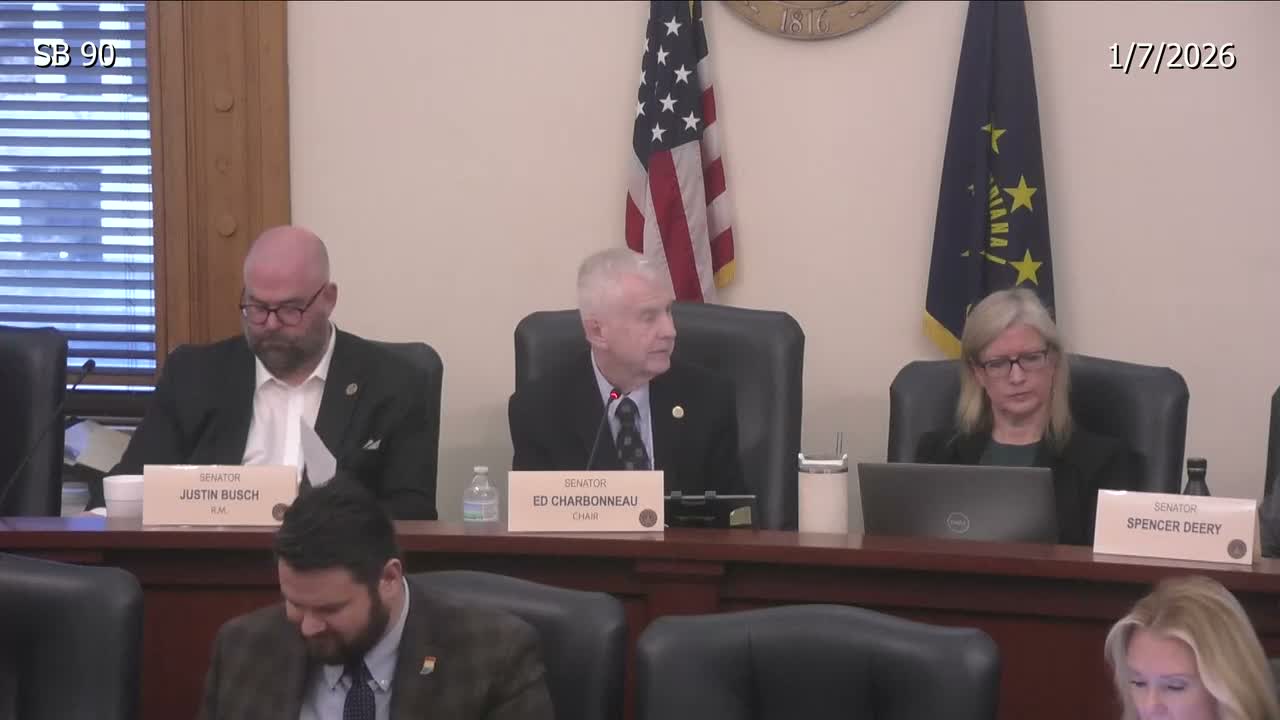
After hours of testimony from public health officials, clinicians, people with lived experience and law enforcement, the Senate Health and Provider Services Committee voted 10–2 to extend state authorization for syringe services programs for 10 years while several lawmakers and the State Police urged added data reporting and one-for-one return requirements.
The Senate Health and Provider Services Committee voted 10–2 to advance SB 91, a bill extending authorization for syringe services programs (SSPs) for 10 years. Supporters said the programs reduce infectious disease, link people to treatment and save public costs; opponents urged stronger reporting and accountability to limit needle proliferation.
Sponsor remarks framed the measure as a tool in a harm-reduction toolbox and warned that authorization will lapse in July without legislative action. Testimony in favor included people with lived experience who said SSPs stopped local HIV outbreaks and reduced visible needles in public spaces. Madison Weintraub, who manages Marion County’s syringe exchange, told the committee the program tracked drug compounds in syringes, linked more than 1,200 people to wound care last year, and produced an external estimate of roughly $4.2 million in annual savings from avoided HIV and hepatitis C treatment costs.
Clinical witnesses echoed those findings. Dr. Virginia Kane, Marion County chief medical officer, said many people with hepatitis C are unaware of infection and noted modern treatments can be costly; Dr. William Cook, who led the Scott County outbreak response, described local data showing dramatic reductions in HIV and hepatitis C following SSP implementation.
Opponents, including the Indiana Prosecuting Attorneys Council and the Indiana State Police legislative director, expressed concern about needles found in public and inconsistent one-for-one exchange rates. Chris Daniels of the prosecutors’ council said his members report more syringes in some communities and asked for measurable accountability; the State Police requested better tracking and suggested a 1-for-1 requirement after initial visits. Supporters acknowledged data gaps and pointed to program reports and CDC studies for key statistics.
After extended questions about data collection, syringe return rates and local control, the sponsor urged passage on the basis that losing SSPs would remove a valuable public-health tool. The committee recorded a 10–2 vote to pass SB 91 out of committee.