Get Full Government Meeting Transcripts, Videos, & Alerts Forever!
Get email alerts on the Pdmp topic
No spam. Unsubscribe anytime.
Senate committee advances bill to expand INSPECT data sharing for overdose prevention
Summary
Committee approved SB 262 unanimously to expand Indiana ttorney rules around the INSPECT prescription drug monitoring program, allowing certain opioid treatment and nonfatal overdose information to be shared with state health agencies while keeping existing confidentiality protections in place.
Senator Bridal moved SB 262, a proposal to broaden reporting to Indiana rug Monitoring's INSPECT system and permit limited data sharing with the Department of Health and Family and Social Services Administration to support controlled‑substance investigations and overdose prevention.
The chair and sponsor said the bill expands definitions of "dispense" and "prescription drug monitoring program data," and authorizes the Board of Pharmacy to share INSPECT data with FSSA and the state health department "for limited purposes," including aiding investigations and preventing overdoses. Sponsor amendment No. 1 deleted criminal‑conviction language and replaced it with a reference to participation in an opioid treatment program (IC12‑72‑135.6).
Elizabeth Struble, a family practice physician and legislative witness for the Indiana State Medical Association, told the committee that emergency departments and opioid‑treatment providers need the fuller data set for patient safety but asked the committee to preserve strict confidentiality and "guardrails" for downstream data use. Amy Kent of Bose Public Affairs, representing Bamboo Health (the state's INSPECT vendor partner), said the bill will give clinicians a more complete picture of opioid use trends and that existing INSPECT confidentiality statutes and board approval processes govern data release for investigations.
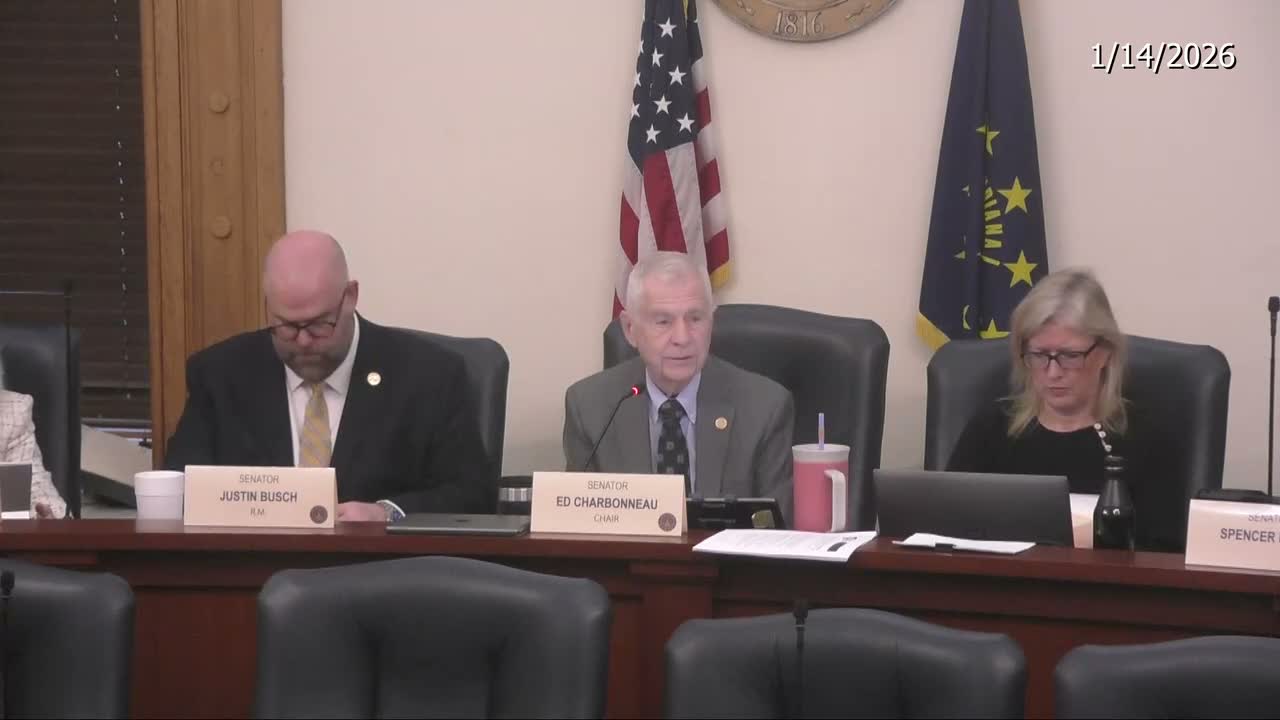
After brief questions about confidentiality assurances, the committee took the amendment by consent and voted 11–0 to advance the amended bill to the floor.
The committee recorded the roll call; the motion passed unanimously and the bill was reported to the Senate floor for further consideration.