Get Full Government Meeting Transcripts, Videos, & Alerts Forever!
Get email alerts on the Foster Youth Bill Of Rights topic
No spam. Unsubscribe anytime.
Committee advances bill to codify Foster Youth Bill of Rights
Summary
The Senate committee advanced Senate Bill 15 to codify a Foster Youth Bill of Rights and require periodic updates and annual distribution by the Department of Child Services; supporters said the measure will increase clarity and accountability for foster youth.
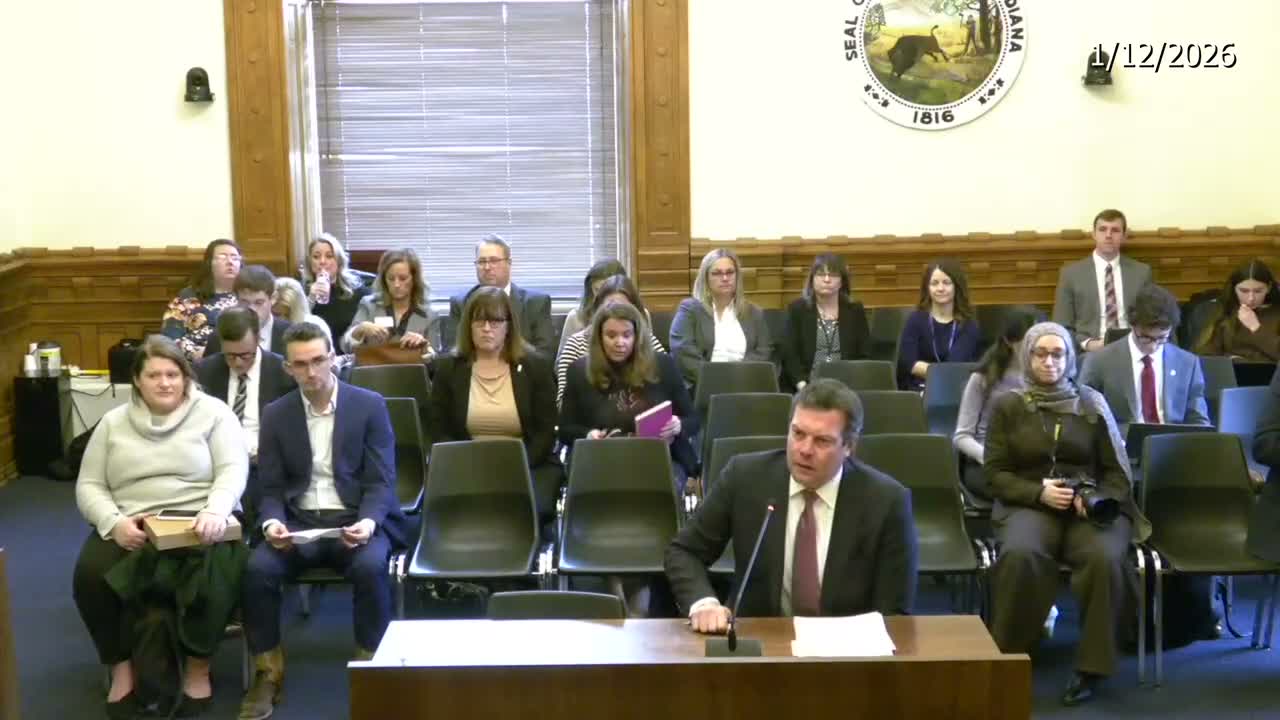
Senate Bill 15, a measure to codify the Foster Youth Bill of Rights, was advanced by the Senate Family and Children Services committee after supporters said the change would make rights more visible and consistent for young people entering foster care.
The bill, presented by Senator Walker to the committee, would require the Department of Child Services (DCS) to update the Foster Youth Bill of Rights periodically, involve youth with lived experience and certain service providers in that process, and distribute the document annually to current and prospective foster parents and to foster youth. The sponsor emphasized the bill does not mandate specific language but seeks to preserve the rights and distribution practice by placing it into statute.
Supporters who testified said codifying the document will reduce confusion for youth and create clearer expectations for families and providers. Joshua Oswald, a foster parent and lead ambassador, said the bill matters because “dignity should never be optional,” and argued the measure helps young people understand their rights and feel empowered.
Deonye Dior Valentina, a former foster youth and founding executive director of Strength Over Struggle, praised the bill but urged additional steps to make it effective: a clear complaint and resolution process for youth whose rights are violated, required training for foster parents and caseworkers on the bill of rights, and annual public reporting and legislative oversight to track whether the rights are being upheld. Valentina testified those additions would move the bill “beyond recognition and toward real accountability.”
Committee members broadly expressed support for the approach as a foundation for further work. The committee recorded a committee vote reported as 8-0 in favor of advancing the bill.
The bill will proceed to the next legislative step; committee members indicated they expect to consider technical or policy amendments on second reading to address implementation details such as complaint processes and training requirements.