Get Full Government Meeting Transcripts, Videos, & Alerts Forever!
Get email alerts on the Drone Mitigation topic
No spam. Unsubscribe anytime.
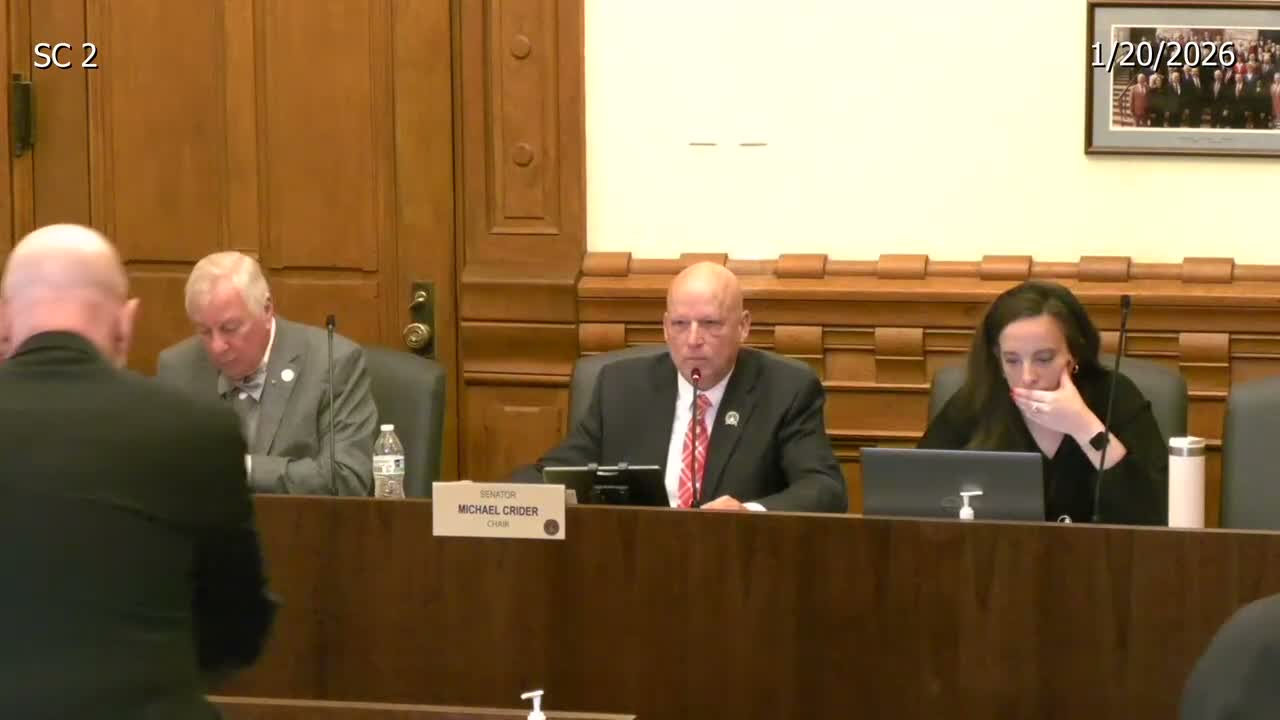
Committee advances bill to allow trained law enforcement to mitigate unauthorized drones
Summary
The Homeland Security and Transportation Committee advanced a bill to align state law with federal rules and authorize state police‑led training and a pilot to let trained officers mitigate unauthorized drones at major venues; supporters including Live Nation backed the proposal and the committee passed it 9-0.
The Senate Homeland Security and Transportation Committee voted to advance a bill sponsored by Senator Baldwin that would align state law with federal guidelines and allow trained law enforcement to mitigate unauthorized drones at large events and other high‑risk situations.
Senator Baldwin told the committee that current FAA rules and federal law limit how states can respond and that the bill would "allow the state police to be an agent" to set training, procedures and equipment so agencies could remove or neutralize threatening drones in compliance with federal law. She said the pilot program is likely to start in Indianapolis because of large venues and major events and that federal grant funding could help scale the effort.
Mark Schublak, representing Live Nation, told the committee unauthorized drone operations pose a risk at concerts and venues and urged support. "Unauthorized drone use is a real problem," he said, and asked lawmakers to work with the industry to limit drone operations over large venues.
Committee members asked technical and jurisdictional questions about how a statewide response would operate and whether local test ranges or federal testing sites would conflict with the pilot. Baldwin said the statute would vest oversight with state police and that local agencies could be trained to participate; she also referenced an ongoing federal legislative effort that would complement the state measure.
On roll call the committee recorded a unanimous vote (9-0) to pass the measure out of committee. The bill language discussed would permit an evidence‑based, agency‑overseen pilot that includes training, certification of equipment and a statewide response protocol, but final operational details would be set in administrative rules and through coordination with federal authorities.
The measure now moves to the next committee or the floor as determined by Senate procedure. Lawmakers and stakeholders said additional planning is expected to align the state statute with forthcoming federal enabling legislation.