Lifetime Citizen Portal Access — AI Briefings, Alerts & Unlimited Follows
South Berwick council workshop declines to pursue a local recall ordinance for now
Loading...
Summary
At a town workshop, council members discussed drafting a local recall ordinance but agreed not to begin detailed work now, citing existing charter and state law and concerns a new ordinance could be vague and divisive. A resident offered a draft citizens’ proposal and noted charter changes require a public vote.
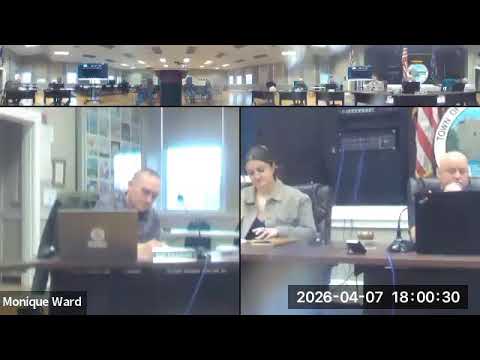
The South Berwick Town Council met in a workshop to consider whether to draft a local recall ordinance for elected officials and left the idea on the back burner after members voiced concerns about redundancy, vagueness and community division.
The chair opened the discussion by outlining the proposal to explore a recall ordinance and seeking a quick consensus on whether to proceed. "If we have a consensus that we do, we will start digging into it," the chair said, and otherwise the item would be set aside for possible future consideration.
Sam, a council member, volunteered to work on the ordinance and said he was not necessarily opposed to having one, noting both state statute and the town charter already offer avenues for holding councilors accountable. "I would I would say I wanna work on the recall ordinance," Sam said, adding he would listen to colleagues and to public input.
Paul, a council member, said he opposed moving on the ordinance at this time and cautioned recalls can "create chaos" and "divide a community." He reviewed sample ordinances and said many use vague grounds such as "moral turpitude," which he found open to weaponization; he said he had not found clear, specific grounds for removal beyond criminal conviction and did not want the town to spend money to define such terms now.
Mel, a council member, said the topic has generated the most public input she’s seen while on the council and that she initially favored the idea but ultimately agreed with delaying council action. Mel suggested forming a future committee with residents to study the issue and recommended internal work to improve council functioning before tackling such a sensitive topic: "I don't think that this is something that the council should take up right now."
A resident identified in the discussion as Miss Gil asked for clarification about the charter process and said changing the town charter requires a formal vote of residents. "To change the town's charter, we need a formal vote from residents," she said, adding she had drafted a six‑page proposal and encouraged citizens to gather signatures to bring a ballot measure forward.
There was no formal motion or vote at the workshop. The chair closed the session, saying the council did not have sufficient appetite to pursue drafting the ordinance now and thanking attendees. The chair noted the council would continue with its regular meeting series, next scheduled for Tuesday night.
Background: Council members referenced the town charter and state statute as existing mechanisms for accountability and discussed trade-offs between providing a local recall process and the risk of creating division or vague grounds for removal. Residents retain the option to propose a charter amendment or ballot ordinance via petition, which would require a public vote to take effect.