Get Full Government Meeting Transcripts, Videos, & Alerts Forever!
Get email alerts on the Hb 11 16 topic
No spam. Unsubscribe anytime.
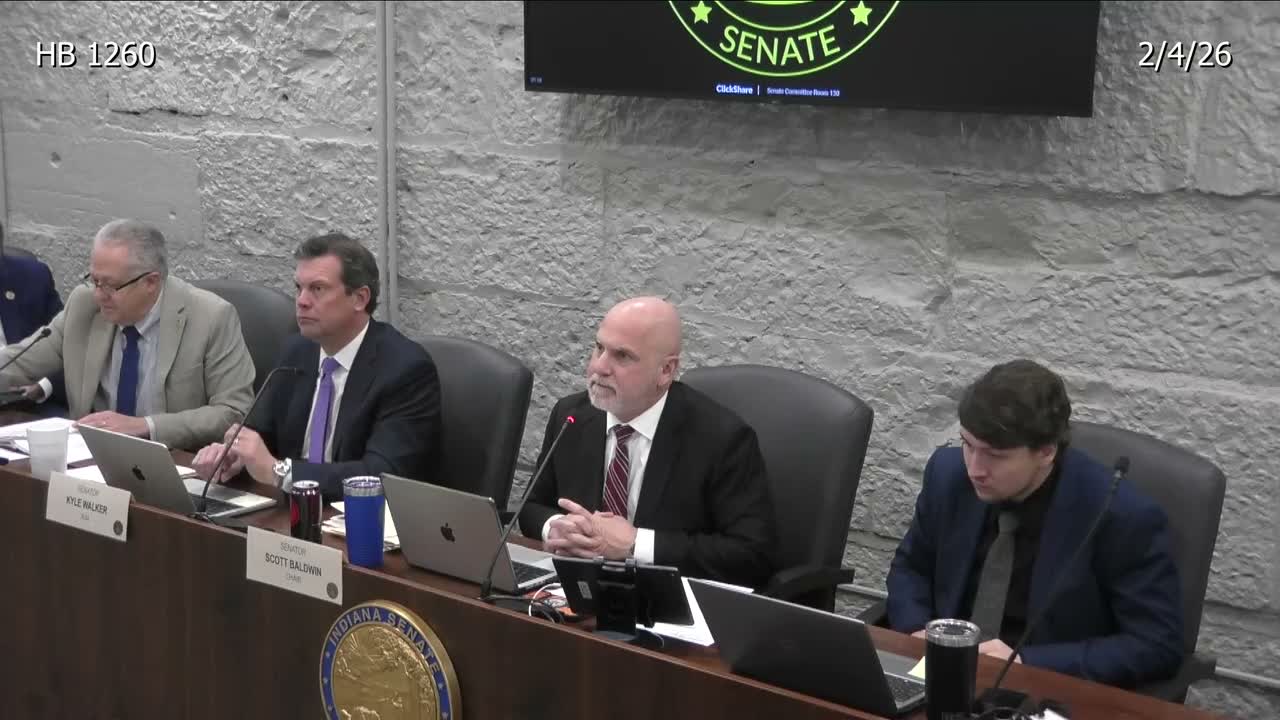
Senate committee hears competing views on crypto-ATM regulation as sponsors hold bill for additional negotiation
Summary
HB 11-16 would license virtual-currency kiosks, require identity verification, set transaction limits, require fraud-refund processes and authorize enforcement; law enforcement and consumer groups urged strong protections while operators warned caps and per-kiosk fees could force many kiosks to close. The committee held the bill for a week to seek compromise.
Representative McNamara told the committee HB 11-16 seeks to set statewide licensure and consumer protections for virtual-currency kiosks, often called cryptocurrency ATMs. "These ATMs become a powerful tool for scammers who prey on seniors and people in crisis," she said, arguing the bill would require operator licensure under the Money Transmission Modernization Act, identity verification, on-screen notices and receipts, mandated training and anti–money-laundering controls, live customer support, fraud-refund rights and transaction limits.
Detective Sergeant Nathan Van Cleef of the Evansville Police Department gave detailed examples of local cases and rising losses: "We are currently living in a scandemic," he testified, describing how scammers direct victims to kiosks and how machine-level exchange spreads and transaction fees can significantly reduce the amount that reaches victims. AARP and state banking and credit-union groups supported the bill as a tool to protect seniors and other vulnerable consumers.
Industry witnesses including Dennis Porter (Satoshi Action), Larry Lipka (CoinFlip), Jed Ruffers (CoinFlip law-enforcement relations) and Ethan McClelland (Bitcoin Depot) said they supported regulation and consumer-protection goals but objected to several numeric and operational provisions. Industry raised concerns about a proposed 10% fee cap, a $500-per-kiosk annual fee, strict new-user and monthly transaction limits, a seven-day waiting period and a U.S.-only customer-support requirement; CoinFlip's general counsel said the company's average fee is roughly 17–19% and that a 10% cap would make many locations unprofitable.
Committee members pressed both sides on the practical effects of per-kiosk fees, fee structures between operators and property hosts (most witnesses described fixed monthly rent to hosts, with some legacy revenue-share agreements), and on whether a waiting or hold period could help victims without eliminating legitimate access. The sponsor and industry agreed to continue negotiations; the committee held the bill for a week to seek amendments.
Next steps: sponsors will work with industry and law enforcement to refine numeric limits, fees and enforcement language before further committee action.