Get Full Government Meeting Transcripts, Videos, & Alerts Forever!
Get email alerts on the Garnishment topic
No spam. Unsubscribe anytime.
Senate panel weighs raising garnishment protections; bill held for negotiation
Summary
Senate Bill 197 would raise wage and bank garnishment exemptions to give struggling Hoosiers more breathing room. Legal aid, creditors and lenders offered competing testimony about household stability versus credit costs; the sponsor said he is open to adjusting figures and the committee held the bill for further intersession work.
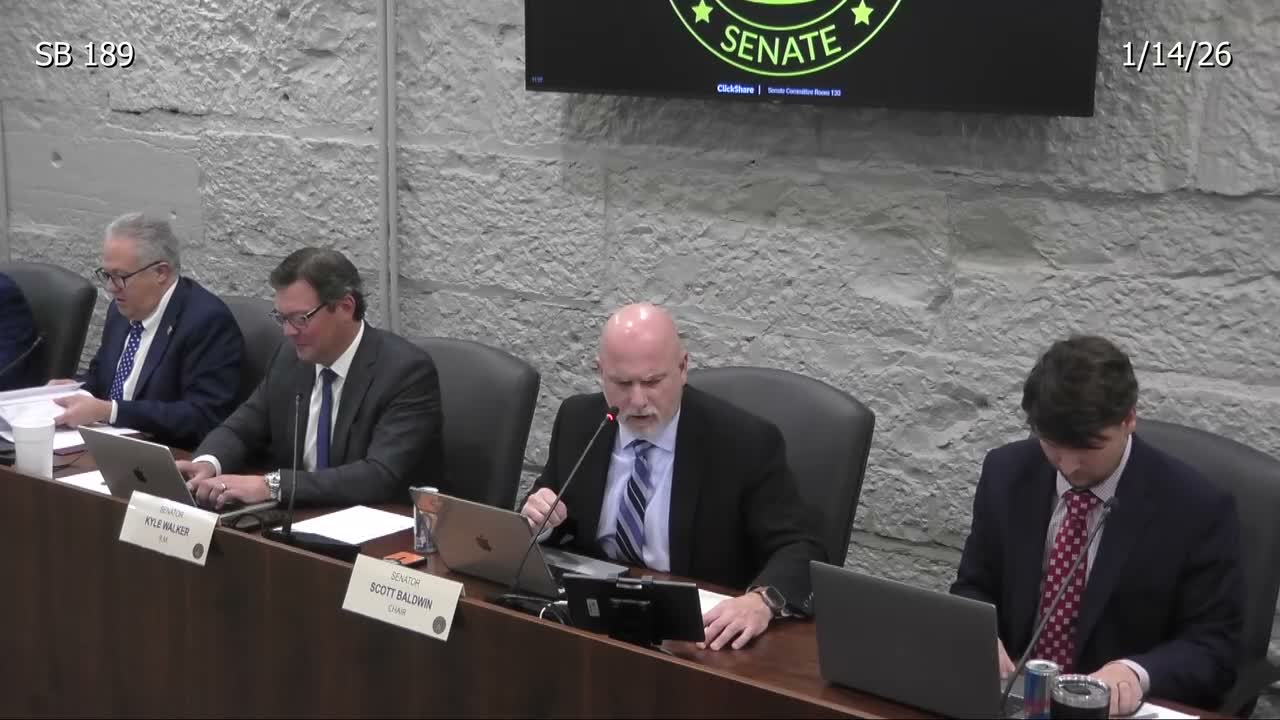
Senate Bill 197, introduced by Senator Walker, drew a large group of witnesses on both sides of proposed changes to wage and bank garnishment exemptions. The bill seeks to update longstanding garnishment floors that sponsors and advocates argue are outdated and leave working families vulnerable to eviction, utility shutoffs and other harms.
John Bingle of Indiana Legal Services described client stories and urged higher exemptions, saying wage garnishment frequently pushes people into homelessness and disrupts households. "One of the worst things that happens to them economically is wage garnishment," he testified.
Creditors' representatives including the Indiana Collectors Association and lenders warned that significantly higher exemptions or automatic indexing could raise the cost of credit and reduce access to loans. "If you remove tools that a judgment creditor has, they have to charge more in order to extend credit," said Reynold Berry, representing creditors.
Community‑based organizations including the United Way and cancer and patient advocates supported raising protections to keep people housed and able to complete treatment. Sponsor Senator Walker said he was open to revising numeric thresholds and to adding clarifying form changes; the committee agreed to hold the bill for additional stakeholder negotiation and to consider updated text at its next meeting.
The chair asked parties in opposition to meet with the author's office and signaled a preference to reconvene with a compromise number. The record shows broad engagement but no final committee vote on the measures during this session.