Representative questions Anchorage School District’s use of reimbursed bond funds; commissioner explains repayment and capital savings
Loading...
Summary
Representative Allard questioned why Anchorage School District retained reimbursed bond funds (about $70–$79 million referenced in the hearing) instead of returning them to taxpayers; Commissioner Dina Bishop said the state repaid prior borough and district bonds and Anchorage retained funds in a capital savings account to fund projects, noting repayment is subject to appropriation and timing varied by year.
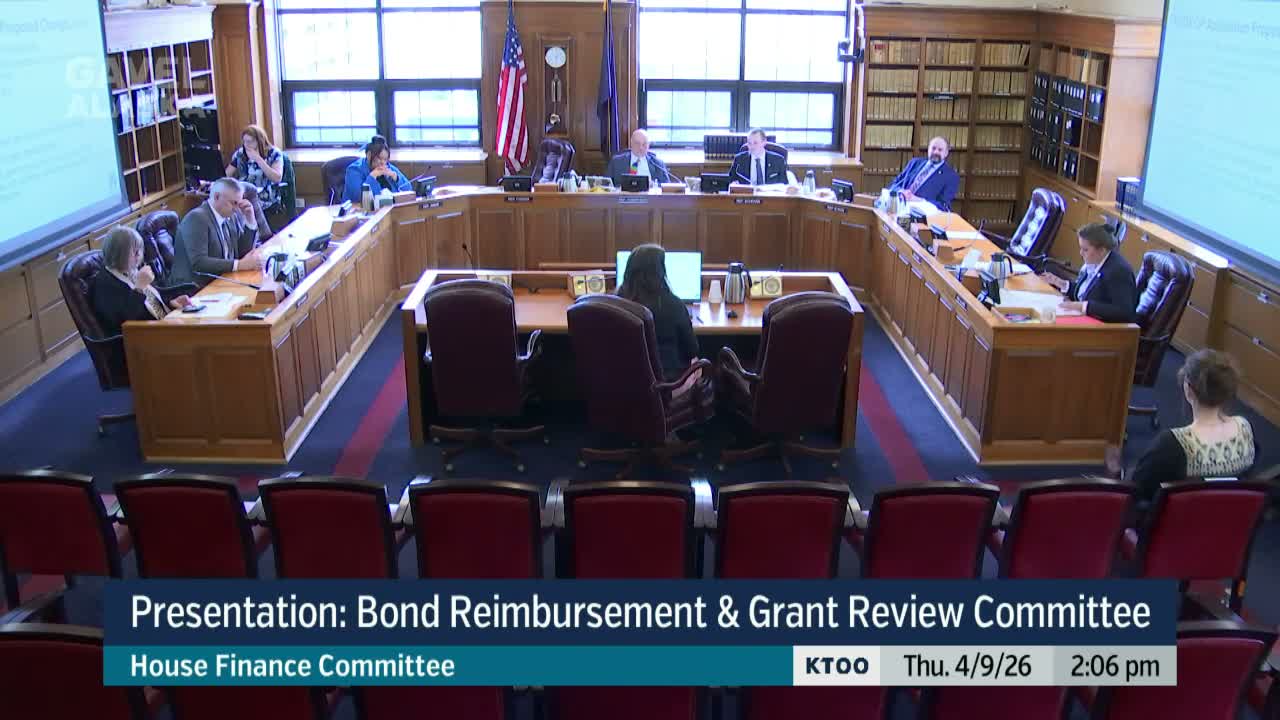
Representative Allard pressed Department of Education and Early Development officials on April 9 about how Anchorage School District used state bond debt reimbursements and whether taxpayers received refunds.
"It looks like I don't think you were the superintendent any longer... I think it was, can you tell me which those years are then they finally got reimbursed in 2022?" Representative Allard asked, referring to ASD reimbursement timing and asking what Anchorage did with the funds. He said he saw a memo showing three options: return funds to taxpayers, use funds for capital projects, or allocate by school board decision.
Commissioner Dina Bishop responded that the state repaid boroughs and school districts for prior bonds and that those repayments covered earlier years (she cited 2017, 2020, 2021 and 2022). She said Anchorage School District retained reimbursed funds in a capital savings account and used some of that money for projects such as Inlet View Elementary School.
"When the state reimbursed for their last debt, they reimburse boroughs and other cities that run their bond debt... Anchorage School District retained... the funds, I believe, for projects, in a capital savings account," Bishop said. She added that decisions about levy collection and levy structure were municipal responsibilities and that some local taxes had been raised when the state had been late or on hiatus with reimbursements.
Allard and other members said they were concerned that Anchorage had not returned funds to taxpayers and that storing reimbursed funds in a savings account could seem like retaining taxpayer money rather than refunding it. Bishop said districts can reinvest reimbursed major-maintenance funds into other projects and that completed projects often score highly on CIP lists when applied for reimbursement, permitting districts to redeploy funds.
Bishop also confirmed the bond debt reimbursement program is subject to appropriation, which can create timing risk for districts and municipalities that must carry costs until (or if) the state pays. "It is subject to appropriation," she told the committee. "And... it is, I believe, each and every year when the small language... that goes out do share that notice. And so yes it is a risk that boroughs... take."
The committee did not take formal action on this issue during the hearing; DEED and the committee agreed to provide further background information to members on reimbursement history and local capital accounting when available.