Get Full Government Meeting Transcripts, Videos, & Alerts Forever!
Get email alerts on the Proxy Advisers topic
No spam. Unsubscribe anytime.
Committee advances bill forcing proxy advisers to ‘show their homework’ on recommendations
Summary
A measure requiring proxy advisers to disclose whether recommendations opposing company management are supported by a written financial analysis passed out of committee 5‑2 after extensive testimony. Witnesses said major advisors often do not produce written financial analyses, prompting transparency-focused legislation.
A committee advanced House Bill 12‑73, a bill that would require proxy‑advisers to disclose whether recommendations to vote against company management are based on a written financial analysis.
Representative Pierce, the bill sponsor, framed the measure as a transparency requirement: if a proxy adviser advises investors to vote against company management, the adviser must either produce a written financial analysis supporting that recommendation or explicitly disclose that no written analysis was performed.
Matthew DeMay of Fusion Law testified that the market is concentrated and that major firms have acknowledged under oath they often do not produce written financial analyses. “Glass Lewis admitted under oath that it does not conduct financial analyses to assess the effect on shareholder values before it makes recommendations,” DeMay said, arguing that disclosure would let investors evaluate whether following advice meets fiduciary duties.
Supporters portrayed the bill as a narrow consumer‑protection fix: it does not mandate how pension plans or financial institutions must vote, only that proxy advisers be transparent about the basis for recommendations opposing management. Opponents questioned whether the state should regulate private contracts and warned of potential market shifts; proponents countered that the law would simply give investors needed information.
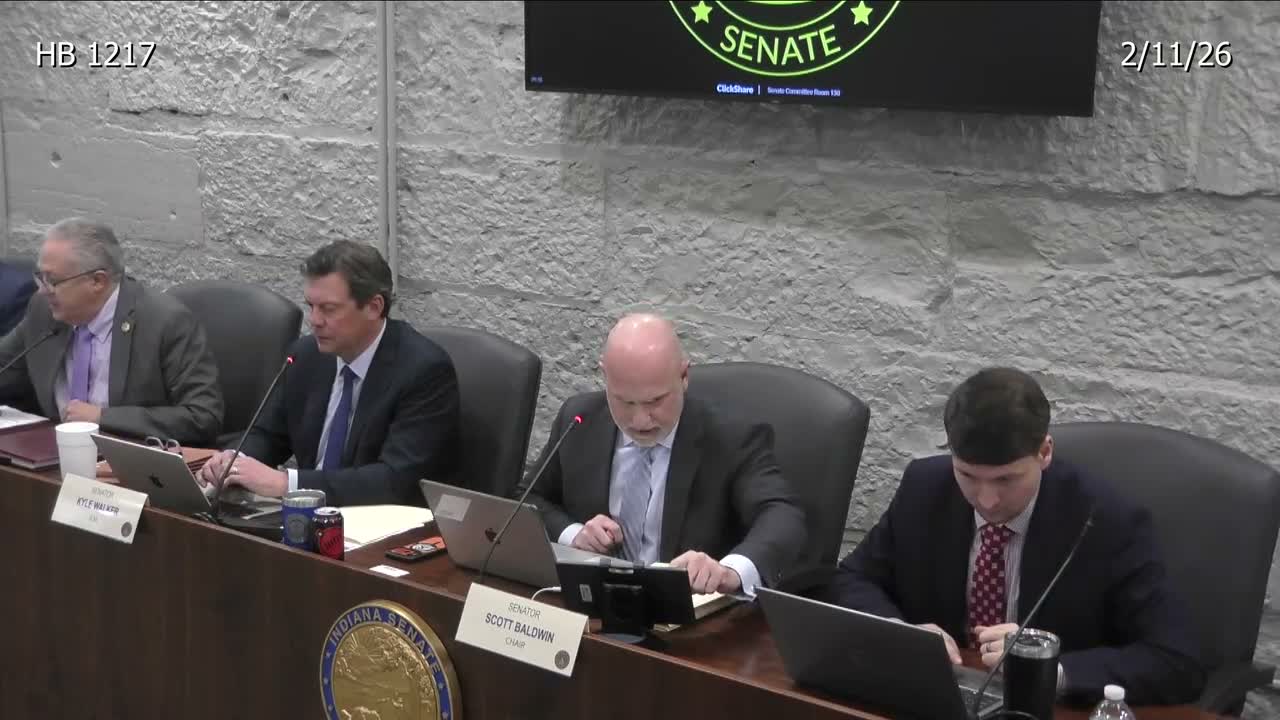
The committee adopted amendments excluding specified financial‑institution activities from the bill and moved the measure to the floor on a 5‑2 vote. Sponsors said states can act to protect investors by preventing deceptive or misleading statements to clients when federal options are limited.
The bill will go next to the chamber floor, where lawmakers signaled further debate is likely on the scope and technical language.