Get Full Government Meeting Transcripts, Videos, & Alerts Forever!
Get email alerts on the Crypto Kiosks topic
No spam. Unsubscribe anytime.
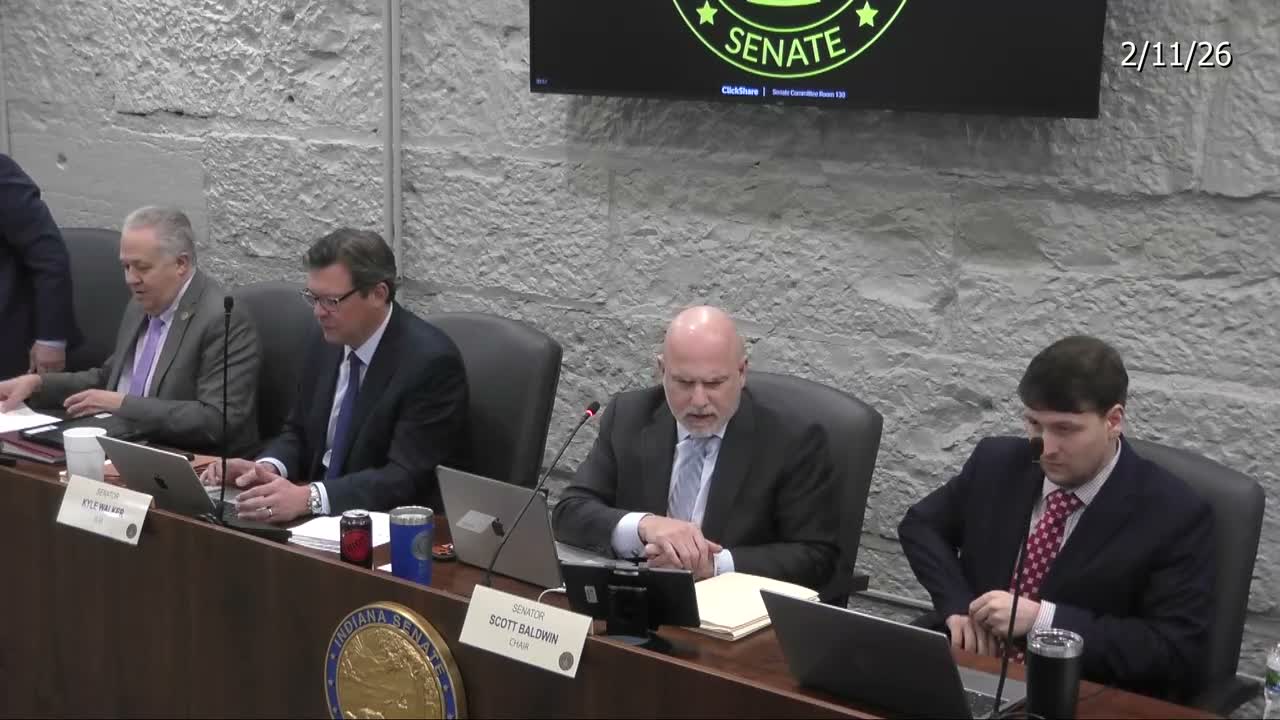
Indiana committee advances bill to ban cryptocurrency kiosks after amendment
Summary
A committee advanced House Bill 1116 after adopting a chairman's amendment that would ban cryptocurrency kiosks statewide. Supporters said kiosks enable tax evasion, money‑laundering risks and prey on unbanked consumers; the bill moved to the floor 6‑1.
A legislative committee voted to advance House Bill 1116 after adopting a chairman’s amendment that would ban cryptocurrency kiosks across Indiana.
Chairman Baldwin, who offered Amendment 14, said he supports legitimate cryptocurrency investment but concluded kiosks create a disproportionate risk of tax evasion and money laundering and impose steep fees on consumers. “I can think of no legitimate reasons,” he said, arguing that many kiosk transactions involve heavy fees and limited consumer protections.
The amendment passed unanimously in committee, 7‑0, and the amended bill later cleared the committee on a 6‑1 vote and will move to the full chamber. Proponents pointed to consumer protection and the availability of regulated exchanges as alternatives; opponents raised concerns about access for unbanked Hoosiers but did not prevail in committee.
The committee record shows lawmakers debated narrow options to preserve legitimate employee or pension‑fund investment pathways while removing unregulated kiosk usage; the chair said employees and consumers could use regulated exchanges or deposit cash at banks rather than paying roughly 20 percent fees at kiosks.
The next step for House Bill 1116 is consideration on the chamber floor, where sponsors said they may revisit aspects of the legislation during second reading if federal action or new information warrants change.