Get Full Government Meeting Transcripts, Videos, & Alerts Forever!
Get email alerts on the Court Personnel topic
No spam. Unsubscribe anytime.
Committee approves ballot language to expand pool of attorneys eligible for city and town courts
Summary
The Judiciary committee approved ballot language for a constitutional amendment that would allow city and town court judges to be chosen from outside their municipality, expanding a scarce local attorney pool; the measure will go on the public ballot if subsequent steps are completed.
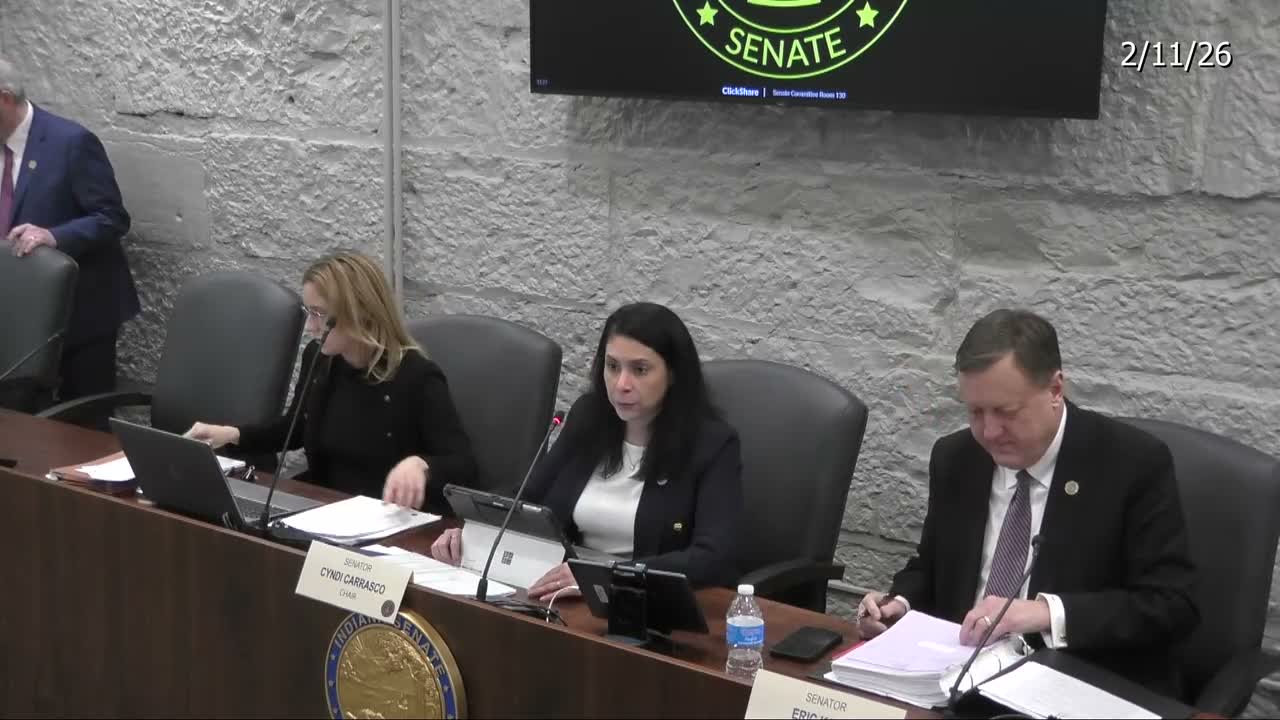
The Judiciary committee approved language to put a constitutional amendment before voters that would allow city and town courts to draw judges from outside the jurisdiction where the court sits, a change supporters said is needed because many small towns lack enough resident attorneys. Representative Aylesworth, who presented the language, said the proposal ‘‘expands the pool and allows it to go outside of the city or town’’ to address shortages in 52 city and town courts across the state.
Supporters described the measure as the final procedural step in a multi‑session amendment process; Representative Aylesworth told the panel this ballot question follows two consecutively elected general assemblies and now requires county clerks to place the language on the public ballot for voter approval. Senator Taylor sought a clarification about how a voter should interpret the ballot phrasing; committee members and the chair explained a ‘‘yes’’ vote would authorize the change and a ‘‘no’’ vote would retain current residency requirements.
The bill was moved, seconded and a roll call was conducted. The committee later recorded a unanimous committee tally in favor of forwarding the ballot language for placement on the public ballot. The measure must still satisfy the constitutionally required legislative and electoral steps before taking effect.