Get Full Government Meeting Transcripts, Videos, & Alerts Forever!
Get email alerts on the Facility Finance topic
No spam. Unsubscribe anytime.
Board weighs long-range facility plan and financing options, including lease purchase vs. pay-as-you-go
Summary
Trustees discussed community feedback and financing strategies for school projects: using the depreciation fund to pay cash for elementary HVAC while packaging high-school HVAC, gym and FCS work into a lease-purchase to spread costs; the superintendent warned long lease terms change the board's historic approach and may affect future flexibility.
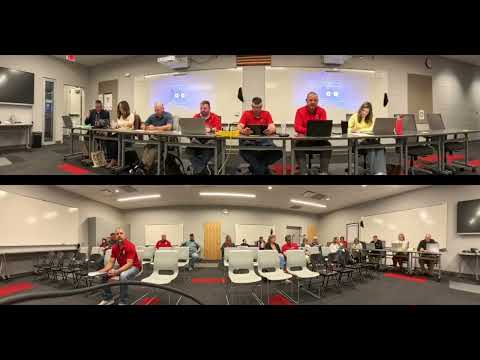
The David City Public Schools board discussed next steps for a long-range facility plan, including how to prioritize projects and pay for them after a recent facilities analysis and community engagement sessions.
Superintendent (Speaker 3) outlined financing options and recommended treating the elementary HVAC as a candidate for payment from the depreciation (building) fund while grouping high-school HVAC, a larger gym and a new FCS room into a single lease-purchase. "You don't have to do them all at the same time, but if you want lease purchase because it's all in 1 facility," the superintendent said, adding a lease-purchase can free up building-fund dollars for smaller projects during the lease period.
Board members said they wanted broader community participation and more facility tours so residents can judge conditions firsthand. One trustee urged that preschool space be considered sooner rather than later because of programmatic benefits and administrative logistics.
Trustees raised long-term implications: longer lease-purchase periods (examples discussed included 20–25 years) would represent a change from the board's recent preference for shorter payback periods and could limit flexibility for future boards. The superintendent explained the district must also consider tax-levy impacts and a 3% revenue-growth cap that applies to certain funds; for very large capital needs, a bond election — which is not subject to the 3% cap — might be required.
The board asked the superintendent to return with detailed written financing scenarios, formal vendor estimates and a community-engagement plan so trustees can set project priorities and a funding timeline.