Assembly adopts 2026 Trails Master Plan to prioritize Rainbird, Coast Guard Beach and connectivity projects
Loading...
Summary
The Ketchikan Gateway Borough Assembly unanimously adopted the 2026 Trails Master Plan on April 6, endorsing 11 key project recommendations and prioritizing Rainbird Trail, Carlana Lake, Coast Guard Beach and Black Sands Beach for action over the next five years.
The Ketchikan Gateway Borough Assembly voted unanimously April 6 to adopt the 2026 Trails Master Plan, a community-driven roadmap that identifies 11 priority trail projects and sets a five-year implementation focus.
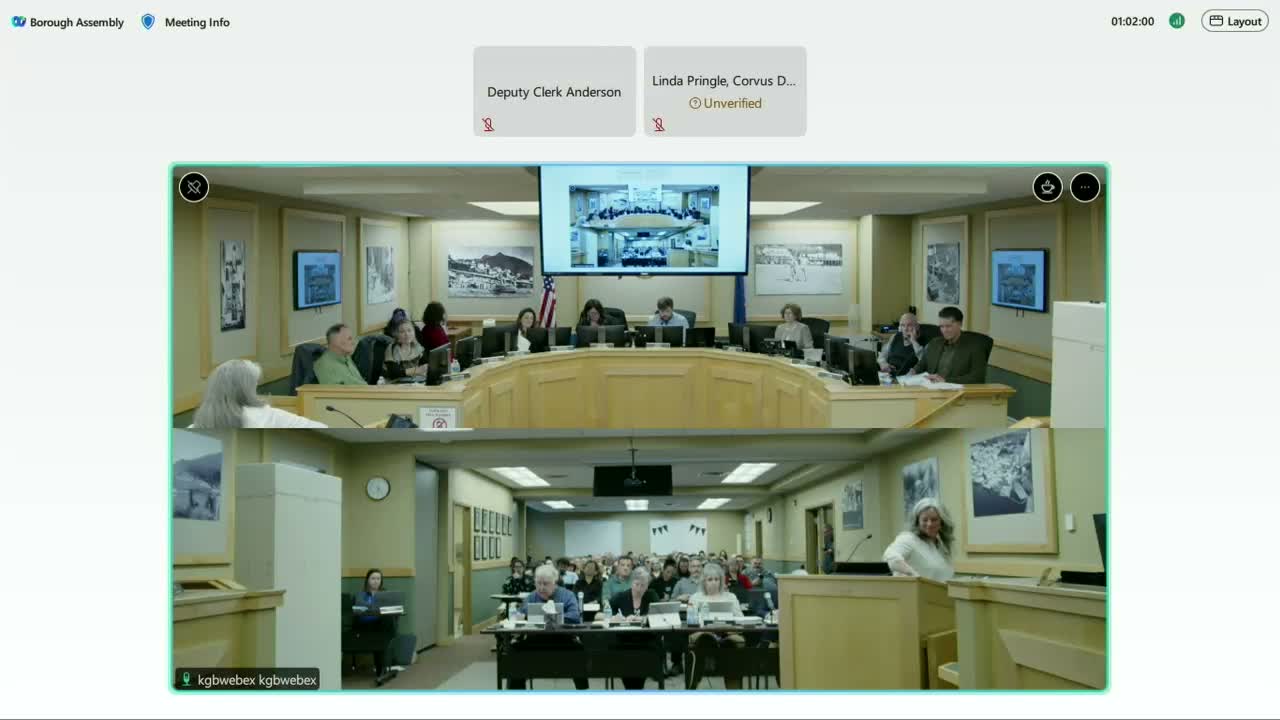
Public Works Director Morgan Berry opened the presentation, saying the plan “reflects mostly projects that occur on borough lands” and focuses on actions the borough can complete or support. Corvus Design landscape architect Linda Pringle, who led the plan, told the assembly the process relied on public surveys, stakeholder interviews and an open house and that recurring community themes included maintenance, connectivity, commercial trail use management and volunteer stewardship.
"There is significant support for leveraging volunteer groups and to reduce the cost of trail management and foster stewardship," Pringle said during the presentation.
The plan lists specific recommendations that borough staff identified as priority projects for the next five years, including restoring the Rainbird Trail, improving access at Carlana Lake, advancing the Coast Guard Beach Trail and securing pedestrian access to Black Sands Beach. Berry said the borough will analyze staffing and funding needs as individual projects move toward implementation: "We analyzed our trails from three perspectives: community desire, borough capacity and funding availability," he said, adding that some projects are low-maintenance while others could require more staff time.
Assemblymember Matson moved to adopt the findings of the master plan. After brief remarks praising the community-centered process, the assembly approved the motion by roll call; the clerk announced seven votes in favor and no dissent.
The plan emphasizes interagency coordination for projects that cross multiple ownership boundaries, and calls for a community-led trails organization to coordinate volunteers, advocacy and maintenance work. The document also proposes accessible trail upgrades, interpretive signage and options to manage commercial use of high-traffic routes so tourism pressure does not degrade trail resources.
The assembly’s adoption establishes the borough’s official priorities; Berry said implementing specific projects will bring additional actions, permits and budget requests back to the assembly as needed.