Get Full Government Meeting Transcripts, Videos, & Alerts Forever!
Get email alerts on the Tax And Fiscal Policy topic
No spam. Unsubscribe anytime.
Long‑term care advocates press committee to make nonprofit CCRC tax exemption permanent
Summary
Representatives of nonprofit long‑term care providers urged the committee to codify permanent property‑tax exempt status for not‑for‑profit communities, saying repeated administrative appeals and litigation are costly and that current temporary measures should be made permanent.
Representatives of Indiana’s long‑term care sector asked the Tax and Fiscal Policy Committee to grant permanent property‑tax exempt status to not‑for‑profit long‑term care providers, including continuing care retirement communities (CCRCs).
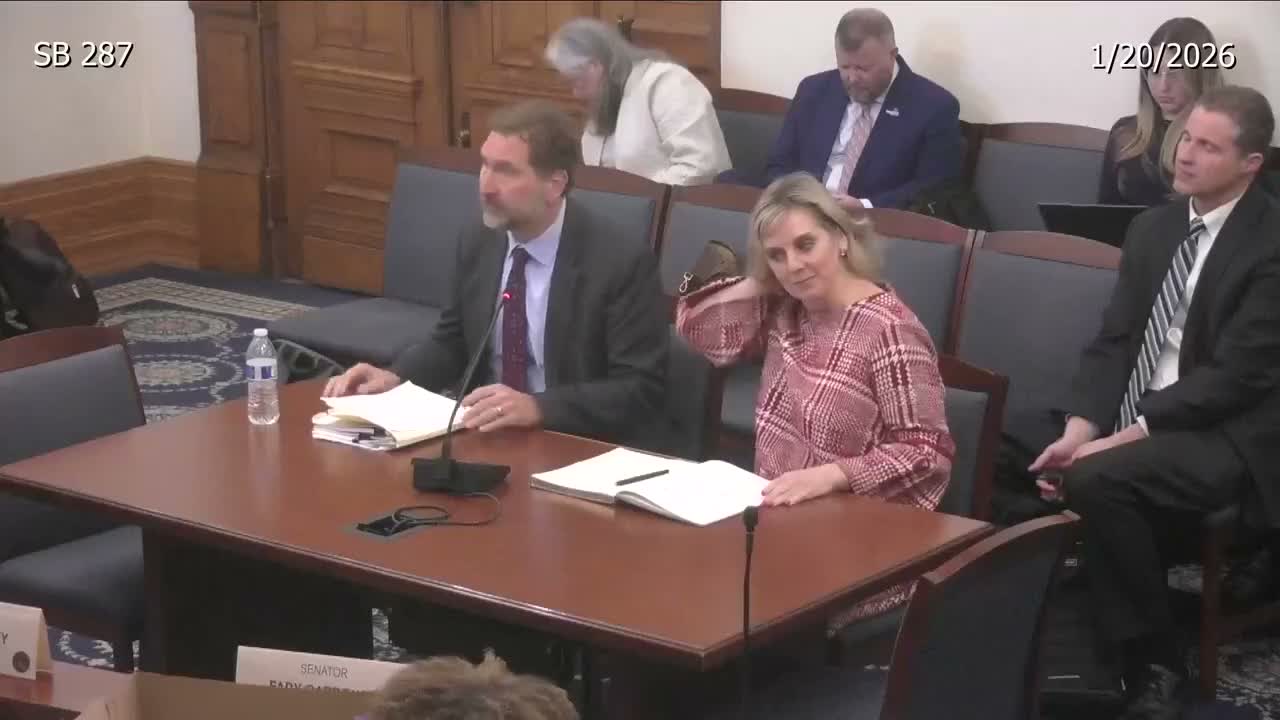
Eric Hoesley, president of a statewide industry organization, told the committee the sector seeks consistency after several interim bills and differing assessor actions. He said the current pattern — where some county assessors attempt to tax nonprofit providers and providers must litigate — imposes large legal costs and uncertainty on communities and residents. "Our request is straightforward: codify the long‑standing legal principle that not‑for‑profit communities that provide housing and care for seniors are entitled to exempt status," he said.
The witnesses emphasized that the requested change is not a new exemption class but a codification of how case law and county practice have generally treated these organizations. Attorneys and association staff noted that litigation to secure exemption can cost hundreds of thousands of dollars that otherwise would be spent on resident care and staff.
What was decided: The committee took testimony but did not move the bill in this hearing; staff noted identical language is pending in the House, and sponsors said they expect movement there and will coordinate.
Why it matters: Making the exemption permanent would reduce recurring litigation and provide predictable tax treatment for providers that operate as 501(c)(3) nonprofits and deliver health‑care services to seniors.