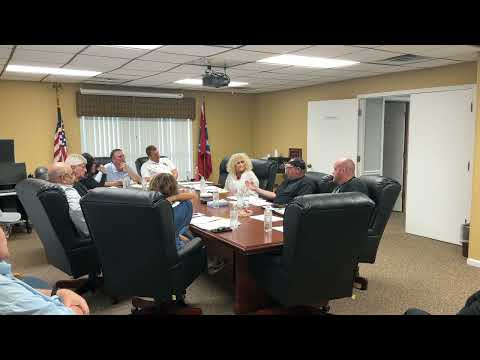
Staff member outlines Stewart County school budget, proposed raises and enrollment trends
Loading...
Summary
District staff presented a work‑session budget that avoids asking the county for new money, proposes $2,500 steps for teacher pay and 5% for noncertified staff, and reflects a $150,000 net reduction driven by one‑time grants and declining enrollment.
A school staff member opened the Stewart County school board work session by saying district leaders will "stay within the parameters of what we have" and will not ask the county court for additional money for the coming year.
The district proposes pay increases for staff: "We've got raises for everybody — $2,500 at each step of the teacher pay scale and 5% for non certified staff," a staff member said, adding that funding for those raises "remains flat" and the district did not receive new recurring dollars this year.
The proposal arrives amid a modest budget contraction. "It's only $150,000 smaller," a finance‑area staff member said, explaining that several grant funds that boosted recent budgets will not carry forward.
Officials flagged recent enrollment declines since the COVID‑19 pandemic and a substantial number of registered homeschool students. "It's almost 30 — I think it's 30 per grade, over 250 homeschool students," one administrator said, noting that the state environment and pandemic trends have contributed to families choosing alternatives to public school.
To cope with fewer students, staff said the district will review vacancies and reassign positions rather than pursue layoffs: when a teacher leaves, leaders will evaluate whether to refill the position or shift existing staff to cover instruction.
Capital spending pressure is lower this cycle because many projects are complete, the staff member said, and the district plans to replace only the two most deteriorated lighting systems this year and defer other upgrades if necessary.
The Trane energy‑efficiency project was presented as an example of prior investments that produced savings: "According to Trane... in the first year of this project... we saved $78,165," a staff member said, and credited ESSER funds for helping pay the initial cost.
What happens next: the work session was intended to surface questions for the formal budget hearing and for county fiscal review; staff invited board members to raise questions and said they have provided the draft budget for committee review.