Get Full Government Meeting Transcripts, Videos, & Alerts Forever!
Get email alerts on the Early Childhood Meals topic
No spam. Unsubscribe anytime.
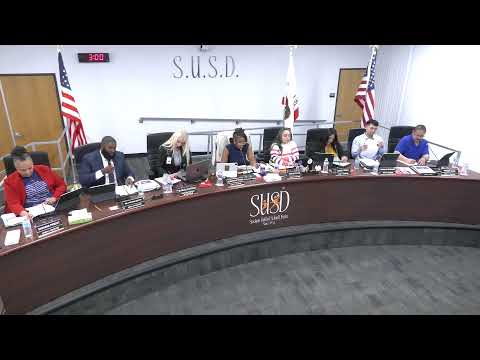
Teachers, food‑service staff and parents urge Stockton Unified to return TK meals to cafeterias
Summary
During public comment, TK teachers, parents and food‑service workers told the Stockton Unified board that moving transitional kindergarten meals into classrooms has created sanitation, instructional and developmental problems and urged restoring cafeteria service or other alternatives; the board heard multiple detailed proposals and requests for collaborative planning.
Transitional kindergarten teachers, parents and school food‑service workers told the Stockton Unified School District board that shifting TK meals from cafeterias into classrooms has caused sanitation issues, rushed mealtimes and lost learning opportunities.
"When our little ones eat in the classroom, food ends up on the floor, on the carpet, and all over the learning materials," said Khadijah Warren, a TK teacher, urging trustees to allow TK students to use cafeterias or multipurpose rooms and to provide adequate cleaning supplies. "The flies, the food on the ground, the lack of sanitation — none of this reflects the love and care we want for our students."
Multiple speakers described similar concerns. Carol Marquez, a parent, said repetitive menus and rushed meal schedules reduce both nutrition and opportunities to build independence. "When TK students do not have cafeteria experiences, they miss out on important developmental and school readiness skills that kindergarten teachers expect them to have," she said. Nicole Jimenez, speaking for the TK team, said the decision to move meals into classrooms was not discussed broadly with TK teachers and that implementation has overwhelmed instructional schedules.
Food‑service staff also described operational strain. Karen Amick, who identified herself as a food‑service worker, said family‑style service and classroom distribution have multiplied kitchen work and created safety and break‑coverage issues. "We are barely staying above water in our kitchens," she said, adding that delivery timing, extra carting, and increased dish loads are causing injuries and staffing strain.
Speakers offered concrete alternatives. Common suggestions included returning TK students to cafeterias or multipurpose rooms with staggered schedules, creating shaded outdoor eating areas, and ensuring TK has adequate custodial and cleaning supplies when classroom meals are required. Several teachers urged the district to preserve cafeteria‑based learning, noting that students learn routines such as lining up, carrying trays and using quiet voices — skills tied to kindergarten readiness and PBIS expectations.
Board members acknowledged the concerns and asked staff for additional operational detail. Trustee Priess (area 4) asked for clearer planning and teacher engagement in future decisions; board leaders repeatedly encouraged collaboration with TK teachers and food‑service staff to identify solutions.
At the meeting, trustees did not make a final policy change on TK meal locations; public commenters asked the board to direct staff to return with options that prioritize student safety, sanitation, nutrition variety and instructional time. Several speakers asked the board to involve TK educators and custodial and kitchen staff in any revisions.
Next steps: speakers requested an explicit district review of TK meal schedules, custodial plans and staff supports; the board did not vote on a new TK meal policy at this meeting.