Get Full Government Meeting Transcripts, Videos, & Alerts Forever!
Get email alerts on the School Bond Referendum topic
No spam. Unsubscribe anytime.
Stafford Township School District presents $75.7M bond referendum, estimates about $22 monthly tax impact for average home
Summary
District officials and consultants outlined a $75.7 million bond referendum on Sept. 17 to fund building renovations, HVAC and a 24‑classroom addition at OxyContinos Elementary, saying the state could provide up to $15.9 million in debt‑service aid and that the typical homeowner’s bill would rise roughly $22 per month.
Stafford Township School District leaders on Sept. 17 laid out plans for a $75,700,000 bond referendum that would fund building‑wide upgrades, a multi‑classroom addition at OxyContinos Elementary and districtwide HVAC, lighting and audiovisual improvements.
The district’s host, George Chidiak, said the referendum is intended to recapture state debt‑service aid, address aging building systems and create space for projected enrollment growth. “On Tuesday, September 17, the district will ask voters for permission to borrow money through bond sales to complete large scale projects,” Chidiak said, noting the district has lost about 47% of state aid since 2018, a reduction he estimated at more than $4 million.
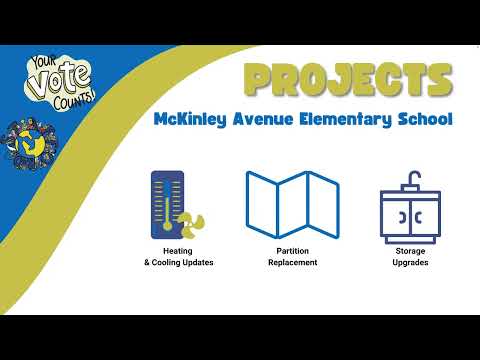
Justin Cossick of the Spiezel Architect Group described the largest single project at OxyContinos Elementary: removal of an old trailer, construction of a two‑story, 24‑classroom addition to consolidate preschool programs under one roof, full classroom renovations to meet DOE pre‑K requirements, a new roof, full HVAC replacement and upgraded electrical to support increased technology. Cossick also outlined full HVAC replacements at the PLC and Oceanacres schools, interior improvements at McKinley (including better acoustics and updated cabinetry) and floor and stage abatement and replacement at Stafford Intermediate.
Tony Salamini, the district’s bond counsel, described the referendum as a way to spread project costs over the useful life of the assets and to allow the district to access state debt‑service aid rather than have those funds directed to other districts. “It’s the best option because it spreads the cost out over the useful life of the asset and spreads the cost out over all the residents that will be enjoying the improvements,” Salamini said.
Jen Edwards of Acacia Financial Group provided the financing overview: the projects total $75,700,000; the state has committed up to $15,900,000 in debt‑service aid; the district would issue bonds for the full $75.7 million repaid over 25 years; and the estimated monthly tax impact for a home at the current average assessed value ($294,141) is about $22. She said principal and interest net of the expected state aid was estimated at roughly $99 million over 25 years. “We will be putting a redemption feature on the bond issue,” Edwards added, noting the district could refinance if market rates decline and statutory conditions are met.
During a Q&A with residents, officials reiterated that the district would not seek cost‑sharing with the township for community performances held in the STACK venue. When asked whether rental profits support facility work, administrators said those proceeds offset district programs and curriculum costs but do not cover major capital projects. The projected cost for STACK lighting and AV work was cited at about $1.1 million; district staff noted the state has designated that portion as eligible for up to 40% state funding.
Residents raised questions about the timing of the September vote versus November general elections. Architect Steven Siegel said a September approval allows design work to begin in October, bids to be packaged in spring and summer 2025 construction to proceed; a November vote would push much of the work into 2026 and likely increase costs. A question about project labor agreements (PLAs) for contracts above $5 million drew no firm commitment; Siegel said the district and counsel will make decisions about PLA or other procurement requirements after the referendum passes.
Staff said an itemized cost list is available and will be posted online; the district identified the biggest single cost as the OxyContinos rebuild (about $55 million of the total) and said individual building estimates (e.g., Ocean Acres about $7 million) will be published. On health‑and‑safety concerns such as mold, roofing and pests, architects said gut renovations, window work, fire alarm upgrades and HVAC replacements were included where needed.
When asked what would happen if voters reject the referendum, administrators said they have contingency ideas but no single substitute that would match the scope and state aid of the ballot question. Options could include emergency repairs funded from reserves, short‑term lease financing (which cannot exceed five years) or piecemeal projects paid from the operating budget—approaches that would likely reduce state aid eligibility and could increase the district’s short‑term tax levy or require more frequent emergency spending.
The district encouraged residents to review posted materials, provided multiple avenues to request the itemized project list and reminded voters that mail ballots must be postmarked Sept. 17 and that polls will open at their usual locations.