Get Full Government Meeting Transcripts, Videos, & Alerts Forever!
Get email alerts on the Municipal Finance topic
No spam. Unsubscribe anytime.
Auditor: Waldwick fund balance declined in 2024; 2025 budget driven by salaries, sewer and debt service
Summary
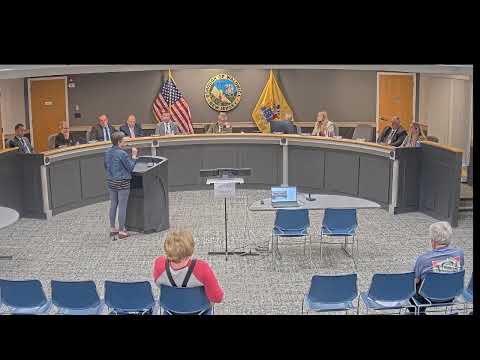
Auditor Andrew Parente presented Waldwick’s audit for year ended 12/31/2024 and a five‑year comparative budget review. The borough’s general fund balance declined by roughly $566,000 in 2024; the 2025 budget increase is driven primarily by salary and wage increases, sewer costs and rising debt service.
Andrew Parente presented the borough’s audit and a handout comparing fund balances over the last five years. He reported the borough began 2024 with about $7.0 million in fund balance and closed the year with approximately $6.0 million, a reduction of roughly $566,000. Parente explained the principal mechanics: anticipated use of fund balance in the budget ($2,000,001.95) did not fully materialize, and certain anticipated receipts were lower than forecast. He itemized revenue variances (tax collections, delinquent‑tax receipts, miscellaneous revenues) and noted lapsed 2023 appropriations of about $330,000 contributed positively to regenerated fund balance.
On expenditures, Parente summarized operating categories (salary and wages; capital improvements; municipal debt service) totaling about $16.5 million and highlighted county, school and open‑space tax obligations that are deducted from collections. He reviewed the water utility results: the water operating fund’s balance increased modestly (about $13,009) and essentially broke even in 2024.
Looking ahead to the adopted 2025 budget, Parente said increases result primarily from negotiated salary and wage increases (about $247,000), department expense increases (about $121,000), higher sewer authority charges (about $217,000) and increased debt service (about $231,000). He emphasized the two‑year lifecycle of municipal budgets in New Jersey and noted that many line items (employee benefits, pension contributions, contracts) are set by external authorities or contract and therefore limit local discretion.
Why it matters: A falling fund balance and rising fixed costs (debt, sewer authority charges, negotiated wages) affect the town’s ability to absorb new capital projects without additional revenue or financing. Parente recommended reliance on the borough’s financial advisers for cost‑benefit studies on major capital projects and pointed to potential use of low‑interest I‑Bank loans for large water infrastructure needs.
Next steps: Council members asked to review the full audit posted on the borough website and to coordinate follow‑up with the finance committee and the auditor for any targeted questions. Parente offered to meet with council members or staff for deeper dives on specific line items.