Get Full Government Meeting Transcripts, Videos, & Alerts Forever!
Get email alerts on the Redevelopment topic
No spam. Unsubscribe anytime.
Redevelopment counsel outlines Harrison Avenue plan; residents press council on PILOT, school impacts
Summary
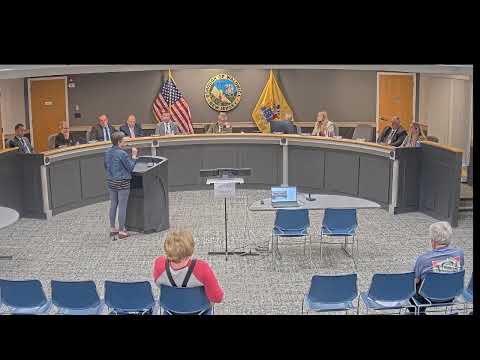
At a council meeting, redevelopment attorney Anna Monfort briefed the Borough of Waldwick on the Harrison Avenue redevelopment plan and how negotiated payment‑in‑lieu‑of‑tax (PILOT) agreements work; residents and council members sought details on school impacts, affordable units, developer profit caps and project timing.
Anna Monfort, the borough’s redevelopment attorney, told Waldwick council members that the Harrison Avenue area was designated an area in need of redevelopment in September 2024 and that a redevelopment plan was adopted in December 2024. She outlined the redevelopment-agreement process: a redeveloper must begin construction within agreed timelines, obtain approvals, pay costs for property acquisition and public improvements, and report periodically to the borough. Monfort said redevelopment agreements can include negotiated long- or short-term tax-exemption arrangements commonly known as PILOTs (payments in lieu of taxes) and described typical provisions, restrictions and remedies, including limits on transfer and requirements for certificates of completion.
Why it matters: Council members and residents said they want clear, local answers on how a PILOT would affect municipal revenue, school budgets and service needs. Monfort said developers submit a proforma that the municipality and financial advisers review; that analysis informs whether a PILOT makes the project economically feasible while still providing net benefit to the borough.
Residents asked specific questions about revenue shares and education funding. Jim Schultz, a resident, used a $100,000 example to ask how the municipal share (95% under the structure Monfort described) affects the school board’s budget. Monfort said the municipality generally receives the negotiated share and retains discretion over how to allocate it; she emphasized that school boards still receive the amounts previously budgeted and offered to follow up on technical allocation questions.
Council members pressed on school enrollment projections and special‑education costs. Monfort said municipalities typically use demographic proformas — she cited Rutgers‑based studies used in many projects — to estimate school‑aged children from new housing types; those projections are part of the PILOT negotiation and cost‑benefit analysis prepared by financial advisers.
Monfort also discussed limits on developer profit embedded in some PILOT structures. When asked whether there is a statutory cap on developer profit, she said a 12% cap can be used and that pilot terms can be graduated (for example, starting lower and increasing over time). She said the pilot payment amount is negotiated, usually based on total project cost and projected revenues, and that the municipality can require annual reporting and audit information from the developer.
On unit mix and affordability, Monfort said the Harrison Avenue project was presented as mixed use with retail, 21 apartments and 21 townhomes; she indicated some affordable units would be included and that affordable‑unit credits were part of the calculations used in the redevelopment plan. She said final decisions about retail tenants, exact unit counts and community benefits are part of later negotiations and the redevelopment agreement.
What comes next: Monfort said negotiations over the redevelopment agreement will involve the developer’s attorneys, the borough’s counsel and financial advisers; the council may appoint a smaller subcommittee to work with counsel or handle the topic in full‑council sessions. She committed to provide follow‑up information requested by residents (for example, detailed school‑impact calculations and comparable PILOT structures used in nearby municipalities).