Get Full Government Meeting Transcripts, Videos, & Alerts Forever!
Get email alerts on the Emergency Response Drones topic
No spam. Unsubscribe anytime.
Sandy Springs Fire launches drone program to speed highway and river rescues
Summary
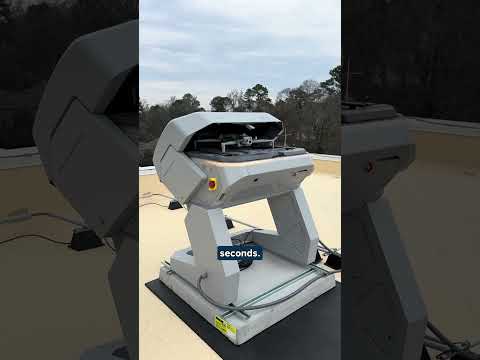
A Sandy Springs Fire representative said the department launched what it described as the state’s first fire department–led drone program to locate people on highways and the Chattahoochee River, delivering GPS coordinates and live video to responders in under 60 seconds.
Livingston of the Sandy Springs Fire Department said the department has launched a drone program it described as the first fire department–led drone program in the state of Georgia.
"Did you know that Sandy Springs Fire is the first fire department led drone program in the state of Georgia?" Livingston asked, and said the department recently onboarded the system to speed response and situational awareness.
The primary use case, Livingston said, is highway incidents. "This drone gets to the highway in less than 60 seconds. It tells us where you're at, and it gives us a live stream straight to ambulances, fire trucks, police officers, so we know where to go, how to get to you, and what condition you're in immediately," he said.
Livingston also described water and riverside responses as a planned use. He noted that in the next "2 or 3 months" the Chattahoochee River will see heavier recreational use and said drones can locate stranded boaters, hikers and people with deflated rafts, "tag the GPS location so we can get to you quickly and decrease our response times."
The presentation emphasized two operational features: rapid arrival (reported as under 60 seconds for highway calls) and live-streaming video and GPS data to on-scene ambulances, fire apparatus and police. Livingston said the department is "hoping this drone program helps a lot with those response times and increases our public safety awareness."
The brief presentation did not include details on operating hours, privacy safeguards, training standards, regulatory approvals or budget and staffing for the program. Livingston closed by thanking the audience for listening.