Lifetime Citizen Portal Access — AI Briefings, Alerts & Unlimited Follows
David Spencer, County Commission candidate, vows transparency and opposes recent tax and pay hikes
Loading...
Summary
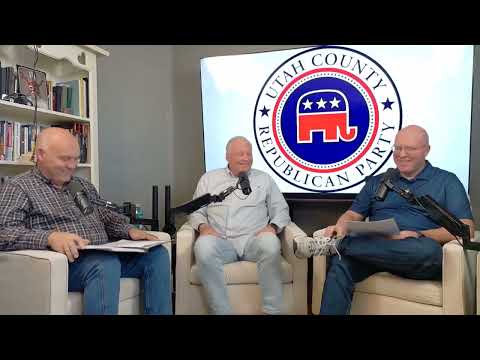
In a Utah County Republican Party podcast interview, David Spencer said he would not raise property taxes without a ballot vote, called recent commissioner pay increases excessive and proposed a 'transparency portal' and efficiency review to rein in staff and budgets.
David Spencer, a Republican candidate for Utah County Commission Seat B, told the Utah County Republican Party podcast he would reverse what he described as unchecked growth in pay and staff and would put any future property‑tax increases to a public vote.
Spencer said the county’s commissioner salary rise — noted by the host as roughly $119,000 to $170,000 over five years — was “ridiculous” and that elected officials should not vote to raise their own pay. "I would walk the salaries back for sure," he said, adding later that a figure near $120,000 would be reasonable while benefits and retirement costs also need review.
On property taxes, Spencer said he opposes the large increases approved in past years and would not raise property taxes "unless we put it on the ballot." He described voters overturning a prior local measure as evidence that referendums can check unpopular spending decisions.
Spencer proposed a county‑level "strategy and innovation" review to identify redundancies and inefficiencies, including a hiring freeze and cross‑training where appropriate. Responding to a host question about an expanded commission staff, he said the county should "find efficiencies or deficiencies" and cut where necessary while protecting core public‑safety functions.
The candidate proposed a public accountability tool he calls a "transparency portal" that would show attendance, votes and travel justifications in real time. He also told a former commissioner he would supply personal financial transparency if required: "I would have no problem giving my credit score," he said.
On transportation, Spencer criticized proposals to put Bus Rapid Transit lanes down State Street in Orem and Provo, arguing medians and restricted turns would hurt local businesses and — he warned — slow emergency response times. "It'll kill people," he said, pressing for coordinated planning, additional freeway exits and federal grants rather than relying solely on local taxes.
Asked about TRCC (tourism, recreation, convention and cultural) tax use and a reported roughly $19.5 million initial payout to the airport with about $3.5 million a year thereafter, Spencer said the county should examine whether such commitments benefit all cities and residents rather than picking "winners and losers."
On governance, Spencer said he is open to expanding the three‑member commission to five if it reduces concentration of power, but cautioned any expansion should not simply raise total salary and benefits costs. He favored town halls in each city so commissioners hear local priorities.
He expressed opposition to mask mandates during the COVID‑19 pandemic, framing mandates as government overreach and saying he would have favored individual choice rather than compulsion.
On immigration, Spencer said he supports working with ICE to remove people judged to pose threats, and described broader legalization and immigration enforcement as federal responsibilities.
Spencer said he has no personal or business bankruptcies, is self‑funding his campaign to date and stressed he ultimately answers to the county’s voters. He closed the interview with contact details: campaign website DavidSpencerforUtah.com and an email (DavidSpencerforUtah@Gmail).
Spencer’s interview offered a consistent theme: limit government growth, increase transparency and pursue targeted efficiency and grant strategies before asking residents for additional tax revenue.