Get Full Government Meeting Transcripts, Videos, & Alerts Forever!
Montana Supreme Court Hears Challenges to SB 93’s Initiative Rules, Including $3,700 Filing Fee and 4‑Year Resubmission Ban
Summary
At oral argument in Missoula, proponents said Senate Bill 93’s filing fee, four‑year ban on refiling similar initiatives and a legislative committee‑vote disclosure impair Montanans’ reserved lawmaking power; the state urged a powers‑based ‘facilitate versus impair’ test and defended the fee as an administrative cost. The court took the case under advisement.
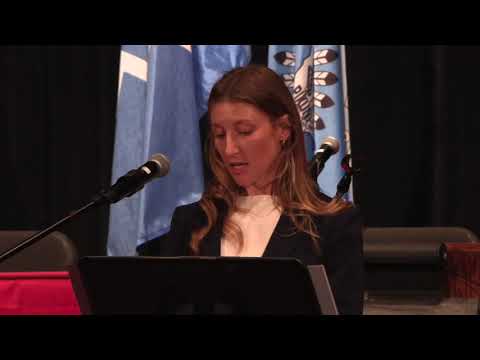
The Montana Supreme Court heard competing arguments Tuesday in Evanston v. State of Montana over three provisions of Senate Bill 93 that change how initiatives reach the ballot. Proponents told the justices the provisions — a $3,700 filing fee (waivable for hardship), a four‑year bar on refiling substantially similar initiatives rejected by voters, and a requirement that a legislative committee’s vote be disclosed to petition signers — impermissibly burden the people’s reserved lawmaking power; state lawyers urged a powers‑based ‘‘facilitate versus impair’’ framework and defended the measures as administrative steps to inform voters and deter frivolous petitions.
Plaintiffs’ lead counsel John Meyer asked the court to adopt a standard that ‘‘maximizes the people’s power of lawmaking’’ and to affirm the district court’s orders striking SB 93’s challenged provisions. Meyer said the constitution’s initiative provisions were designed…
Already have an account? Log in
Subscribe to keep reading
Unlock the rest of this article — and every article on Citizen Portal.
- Unlimited articles
- AI-powered breakdowns of topics, speakers, decisions, and budgets
- Instant alerts when your location has a new meeting
- Follow topics and more locations
- 1,000 AI Insights / month, plus AI Chat