Get Full Government Meeting Transcripts, Videos, & Alerts Forever!
Get email alerts on the School Improvement topic
No spam. Unsubscribe anytime.
District principals present school improvement plans with shared focus on attendance, MTSS and literacy
Summary
Principals from Thomas Paine, Urbana Middle School, Leo Elementary and other sites summarized 2024–25 results and laid out 2025–26 goals emphasizing reducing chronic absenteeism, strengthening MTSS/behavior supports (CHAMPS/PBIS), boosting literacy and math proficiency, and targeted supports for students with disabilities and Black students.
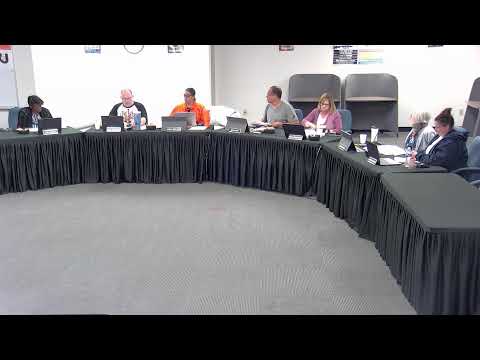
District and school leaders used the study session to present 2024–25 results and to roll out school improvement (SIP) goals for 2025–26.
Thomas Paine principal Andrea Jackson said the school saw mid‑year growth on MAP benchmarks that fell back by May; she and assistant principal Melanie Furcham cited chronic absenteeism, staff turnover and inconsistent MTSS implementation as root causes and proposed coaching, co‑teaching and targeted interventions to address gaps. "We took a deep dive into our root cause analysis," Jackson said, noting attendance remained a primary factor.
Urbana Middle School principal Melissa Kearns said UMS surpassed three growth goals this year (reading, math and reduced chronic absenteeism) and outlined 2025–26 targets focused on a 10% reduction in chronic truancy for at‑risk groups, reductions in exclusionary discipline and strategies to boost students into the proficiency band using PBIS, CHAMPS and trauma‑informed practice.
Leo Elementary presenters reviewed baseline chronic absenteeism (local calculation ~22%; Illinois report card number cited at 26%) and proposed goals to reduce absences and increase first‑through‑fifth grade literacy and math projected growth percentages through CKLA implementation, co‑teaching and MTSS refinements.
Across schools the repeated strategies were: clearer benchmarking and data entry in Panorama, concentrated professional development (CKLA, Illustrative Math, CHAMPS, PBIS), tiered interventions, family engagement and plans to disaggregate and monitor subgroup progress (especially students with IEPs and Black students). Board members asked about practical steps to address large grade‑size cohorts and opportunities to expand tutoring and volunteer supports; principals said targeted staffing and outreach will be used.
Administrators said schools will present quarterly progress and that the district office will support fidelity of implementation.