Get Full Government Meeting Transcripts, Videos, & Alerts Forever!
Get email alerts on the School Bond Referendum topic
No spam. Unsubscribe anytime.
School bond referendum would let Moorestown seek more state aid, presenter says
Summary
A presenter explained that a school bond referendum would let the Moorestown Township Public School District borrow with taxpayer approval, spread costs over time like a mortgage, and potentially increase state funding; the speaker did not identify themselves in the transcript.
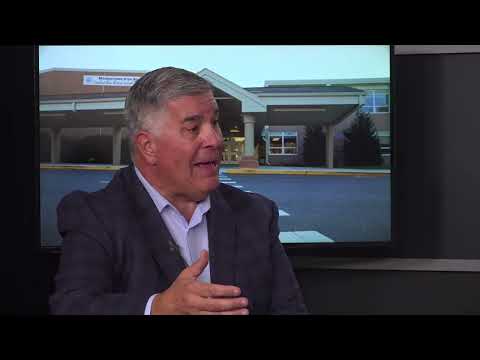
A presenter explained that a school bond referendum would allow the Moorestown Township Public School District to borrow money with taxpayer approval to pay for current capital needs while repaying the debt over time. "A referendum is...a way for, government entities, schools, to borrow money with taxpayer approval to finance things that are in need now, but pay them out over time, sort of like a mortgage," the presenter said.
The presenter said the referendum mechanism divides the cost between state support and local taxpayers. They stated that Moorestown is "a financially well off district" in operational terms, with "about 90% of their school operational budget each year is funded by local taxes" and "only 10% of it comes from the state." The presenter argued that because of that funding mix, holding a referendum could allow the community "to get more money from the state than it ordinarily would in their operational budget."
The explanation used a household mortgage analogy to make the point that bond borrowing lets the district address immediate facility or capital needs while spreading repayment over many years. The transcript does not identify the speaker by name or official title; the speaker is labeled here as "Presenter" in the meeting record because no self-identification or introduction appears in the provided transcript.
No motion or vote on a referendum appears in the transcript. The record is an explanatory exchange about what a referendum is and how it could affect the district's ability to finance capital projects and potentially secure additional state assistance.