Get Full Government Meeting Transcripts, Videos, & Alerts Forever!
Get email alerts on the Economic Vitality topic
No spam. Unsubscribe anytime.
Economic-vitality officer urges linking local businesses to public art to raise awareness
Summary
Brisbane’s Economic Vitality Officer, Mitch Foul, told the Public Art Advisory Committee the city is shifting from 'economic development' to 'economic vitality' and urged partnerships with businesses—for murals, benches and trail activation—to increase local visitation and support for public art.
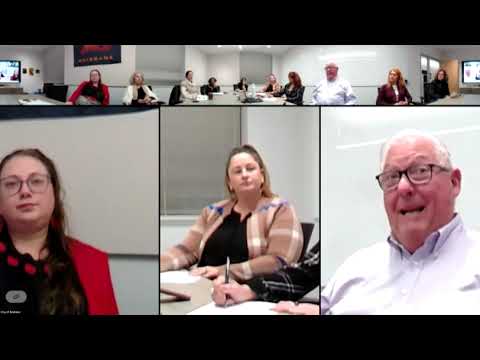
Mitch Foul, the city’s Economic Vitality Officer, told the Public Art Advisory Committee the city is shifting its approach from “economic development” to “economic vitality” and wants public art to help bind local businesses, residents and city operations into a more cohesive local economy.
Foul said city staff and the city manager have been visiting businesses across Brisbane to understand how to better connect workers and customers with existing art assets. “We moved from economic development to economic vitality for a simple reason,” he said. “When you hear the word development, you hear two things … We see it more like economic vitality.”
Why it matters: Foul framed the change as a reorientation away from building-driven development toward small-scale, place-based actions—murals, benches, trail art and curated installations—that can encourage employees and nearby residents to interact with local businesses and public-space projects.
Foul singled out Crocker Park and Sierra Point as priority areas where art could increase visibility. He described outreach to property owners and said some improvements are expected: “I’m hoping to see a couple more restaurants by the first quarter of next year,” he said, while acknowledging difficulties when owners are remote.
Committee members asked about volunteer and business engagement on trail maintenance and mural projects; Foul recommended adopting private–public volunteer models such as trail-adoption agreements and suggested the public art master plan’s guidance on priority locations should inform any mural or bench rollout.
The presentation concluded with a request for more ideas from the committee and a reminder of staff capacity limits—Foul said he works part time and asked for committee input on feasible next steps and partnerships. The committee discussed whether to pursue corridor-scale planning (a curator or master plan) versus piecemeal installations. No formal policy change was adopted at the meeting.