Sullivan County delays vote on proposed data‑center zoning after commissioners seek more review
Loading...
Summary
The Sullivan County Commission deferred a vote on a zoning text amendment that would create a new EMD‑3 district for large data centers. Staff described buffer and setback standards; commissioners cited the need for more briefing and will consider a moratorium extension before taking final action.
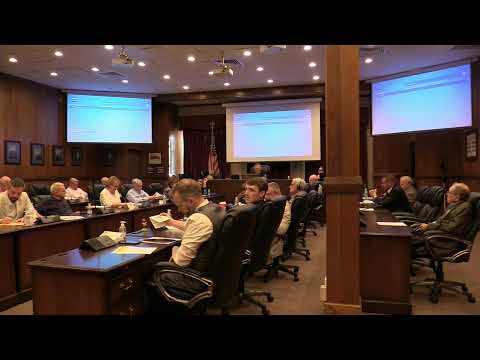
Sullivan County commissioners on April 9 deferred consideration of a zoning text amendment that would create a new EMD‑3 district aimed at regulating large‑scale data centers, voting to revisit the item next week and to consider a short extension of the moratorium that prompted the study.
Planning staff member Meade introduced the proposal, saying it was the product of a four‑month moratorium that directed staff to study data centers. Meade said the draft was circulated to Sullivan County, Bristol and Kingsport planning commissions and “received positive recommendations,” and explained the amendment’s main elements: a 300,000‑square‑foot minimum lot size as written, greater buffering and setback requirements and locating such uses within existing or newly created industrial parks.
“This has gone to all three regional planning commissions where it received positive recommendations,” Meade said, and described updated buffering requirements: “Instead of our normal two rows of trees, we’re actually going to require three, full maturity height and a buffering fence to go around the entire site.” (Meade is listed in the transcript as S5.)
Commissioners pressed for more time to review the lengthy draft. Commissioner King (S10) and others said they had just received the document and requested a briefing and additional opportunity to ask staff questions before a vote. Commissioners also questioned whether suitable sites exist in the county and whether utilities and water sources would be adequate for campuses that can occupy hundreds of acres.
One commissioner noted the moratorium had been adopted January 15 and asked whether the county had until May 15 to act; staff confirmed the moratorium’s adoption date and explained that either the board must adopt the amendment before the moratorium expires or it must pass an extension resolution. Meade told the board staff had expedited the draft to meet planning commission review deadlines created by the moratorium.
Concerns about legal exposure and precedent also arose. A commissioner asked whether the county attorney had reviewed the draft, citing a neighboring county’s litigation over zoning actions; Meade said staff believed the proposed language would not create undue liability but commissioners sought formal attorney review before final action.
Rather than vote on the amendment, the commission moved to defer Case 2 to the next work session and directed staff and sponsors to prepare a resolution to extend the moratorium if needed. The clerk conducted a roll call on the deferral motion; the chair announced the motion carried and the item was deferred to the May 14 work session with a separate moratorium‑extension resolution to be considered next week.
What’s next: The commission will receive the draft amendment and any attorney review, consider a moratorium extension resolution at the next regular meeting, and will revisit the zoning text amendment at the indicated work session.