Get Full Government Meeting Transcripts, Videos, & Alerts Forever!
Get email alerts on the Safe Team topic
No spam. Unsubscribe anytime.
SAFE team credited with improving responses to mental‑health calls in South County
Summary
Presenters said the SAFE crisis‑response team, launched as a pilot and now scaled regionally, lets police focus on street duties while crisis workers handle mental‑health, homelessness and low‑level issues; presenters cited dispatch integration, field resources and thousands of calls handled annually.
Presenters at a regional briefing described the SAFE crisis‑response team as a key alternative to sending police officers to many mental‑health and low‑level crisis calls.
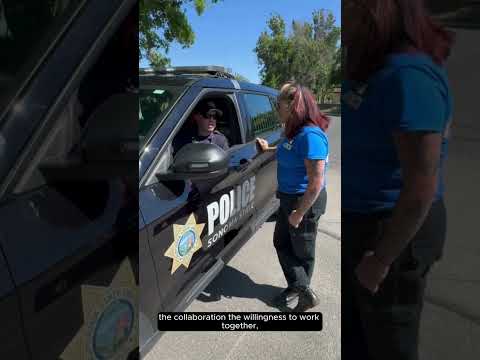
Aziz, who identified himself as "director of the safety," said SAFE is dispatched through the same system as police so officers can triage potential threats and clear scenes when necessary. "They're able to triage the safety level and comfortability of the team being able to respond to the call," he said, describing a process in which officers stage nearby and SAFE staff enter only after a scene is deemed safe.
The speakers said the program began as a pilot and has grown into an "invaluable resource." One presenter said SAFE now handles "thousands of calls in multiple communities every year," and that the model has been adopted by cities, municipalities and educational organizations across the region.
A law‑enforcement official at the briefing said the change was driven by a recognition that officers are not trained for every crisis scenario and that sending specialized crisis workers can improve outcomes while freeing officers to perform other duties. "By bringing in the SAFE team and having a team that you can send to the mental health calls has really given our officers the ability to do their job out on the street," the official said.
Presenters outlined how SAFE operates in the field: teams generally work in pairs so one staffer can remain with a client while the other searches for countywide resources and benefits online; in‑field supports can include hygiene kits, water, clothing and basic first aid. Aziz said SAFE also connects people to longer‑term services such as therapy, counseling and SNAP benefits.
Program partners emphasized coordinated dispatch as essential: the briefing included dispatch exchanges showing how radio routing alerts both officers and SAFE staff so responders can sequence their arrival based on safety assessments.
No formal votes or policy decisions were recorded during the presentation. Speakers framed SAFE as an operational tool that complements policing for homelessness, addiction and behavioral‑health calls rather than replacing law enforcement authority.
The briefing did not specify funding sources, administrative oversight, or the exact jurisdictions that have adopted the model; presenters described the work as regional, citing South County and Sonoma County partnerships. Officials said the program remains active and available to respond to calls across the area.