Lifetime Citizen Portal Access — AI Briefings, Alerts & Unlimited Follows
Council members set fast-track schedule for shelter funding and press OIR on transit, child-care cuts
Loading...
Summary
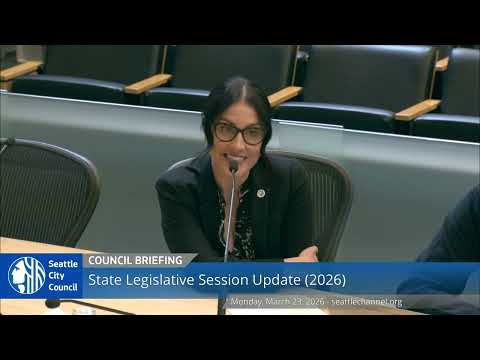
Council members used the March 23 briefing to schedule shelter-legislation deadlines and to press OIR on revenue and program impacts, flagging risks to transit projects and asking for department-level impact analyses for childcare and public-safety reductions.
Council members used the March 23 briefing to translate statewide outcomes into local scheduling and policy concerns, and to set timelines for urgent city actions.
Council member Strauss said the council is fast-tracking shelter-expansion budget legislation tied to federal Community Development Block Grant deadlines and outlined a compressed schedule: presentation on March 30, amendment concepts due April 1, amendments finalized by April 2'3, committee vote April 7, and a full-council vote April 14. "This is a shorter timeline than I'm used to. It is a short timeline because of schedules and wanting to make sure that this bill move forward quickly," Strauss said. She briefed colleagues that the fast track is intended so federal dollars can be spent before the program deadline in June.
Juarez announced the Parks & City Light committee will consider Seattle City Light's Skagit relicensing and a settlement at an April 1 meeting and indicated she would seek a committee vote. "On the agenda is Seattle City Light's relicensing of the Skagit River hydroelectric power," Juarez said.
Several council members raised concerns about Sound Transit finances after the state session: Strauss summarized three regional options presented by Sound Transit staff to close a $30 billion gap and warned that under some approaches "Ballard would be deferred indefinitely." Officials asked Sound Transit staff to present a ridership-prioritized alternative.
Council members pressed OIR for more detailed local impact information. Council member Rink asked OIR to unpack the sales-tax and transportation revenue changes and to provide the Sound Transit and county numbers that have been cited; OIR cited preliminary county and Sound Transit loss estimates and offered to follow up with exact figures and departmental analyses. Foster pressed for analysis on the working-connections child-care cut and requested a follow-up on how that statewide reduction would affect Seattle programs; OIR agreed to pursue department-level impact studies.
On public-safety and technology policy, Kettle and others reminded colleagues that an ALPR/CCTV ordinance and related city alignment with state law will be discussed in committee; several members noted planned committee work on levies, library funding and implementation timelines tied to August and November ballot calendars.
No formal votes were taken during the briefing; council members scheduled committee meetings and asked OIR and city departments for follow-up materials to inform imminent committee decisions.