Get Full Government Meeting Transcripts, Videos, & Alerts Forever!
Get email alerts on the Water Wastewater Rates topic
No spam. Unsubscribe anytime.
Consultants tell Truth or Consequences to phase in meter-based minimums and raise water and waste rates to cover debts
Summary
Consultants from NewGen Strategies and Solutions told the Truth or Consequences commission that phasing out a 2,000-gallon minimum, adopting meter-equivalent minimums and raising water and wastewater rates (recommended: 6% residential/8% commercial water; an initial 25% wastewater increase) will be needed to avoid large reserve draws and to finance plant upgrades.
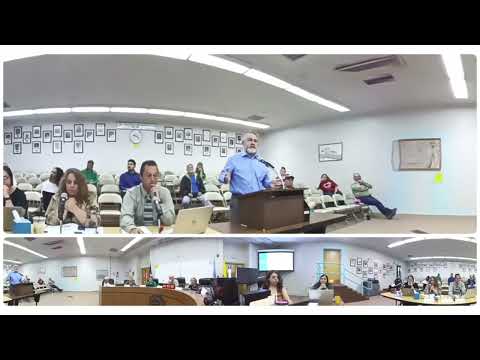
Consultants from NewGen Strategies and Solutions presented a cost-of-service and rate-design study to the Truth or Consequences City Commission on April 11, recommending phased, multi-year rate increases and a shift to meter-equivalent minimum bills to ensure utilities can pay existing debt and fund needed capital work.
Carrie Anderson, a consultant with NewGen Strategies and Solutions, said the study used the FY2026 budget as a test year, adjusted for inflation and capital needs, and derived a four-year revenue requirement. "We were retained to conduct a water and wastewater cost of service and rate design study," Anderson said in the presentation. The firm calculated a water test-year expense base of just over $2,000,000 and estimated water revenues near $1,800,000, leaving a net water revenue requirement in the neighborhood of $1.8 million. For wastewater, the firm reported test-year expenses of about $1,500,000 and a net wastewater revenue requirement of roughly $1.4 million.
Dave Bianchi, president of NewGen Strategies and Solutions, outlined three water scenarios and multiple wastewater scenarios showing how different combinations of minimum-bill changes and annual increases would affect revenue recovery through FY2029. For water the firm’s recommended scenario phases out the 2,000-gallon allowance in the minimum bill, phases in meter-equivalent minimums over roughly 10 years, and applies a multi-year increase (presented examples included a 6% annual residential increase and an 8% commercial increase) so the utility reaches positive cash flow by FY2028.
On wastewater Bianchi said larger increases will likely be required because of treatment-plant costs and compliance obligations. He recommended an initial 25% annual increase for the first two years (with monitoring in FY2029 and potential reduction thereafter) to generate the revenue capacity needed to borrow for a plant renovation and to meet grant-match requirements. Under the scenarios shown, status-quo adjustments would produce multi-hundred-thousand-dollar cumulative under-recoveries by FY2029; the firm’s recommended options substantially reduce or eliminate that shortfall.
The presentation included sample-bill comparisons using a 6,000-gallon monthly usage benchmark (a standard used in state surveys). NewGen showed the current average residential bill at about $33.11 per month at 6,000 gallons and sample water bill trajectories rising to roughly $38.72 and higher under the proposed scenarios, representing about a $14-per-month increase over three years in one example. For wastewater, the consultants showed current monthly bills near $44.95 and scenario outcomes ranging to roughly $52 (status quo), about $68 (moderate scenario) and as high as about $87 under larger increases.
Commissioners and staff pressed on implementation mechanics and community impact. Gary (city staff) noted the city has accumulated reserves (about $1,000,000 each for water and wastewater) and reported the jurisdiction has received roughly $43,000,000 in grant funding for water-related projects to date; he said grants often require matching or loan components, which increases the local debt burden. "Right now, we've received $43,000,000 in grant money," Gary said, emphasizing both the value and the debt-match implications of those funds.
Commissioners pressed how the changes would be enacted. Bianchi recommended aligning rate changes with the fiscal year (effective July 1), conducting evening public hearings so residents can review the report, and using a written report (to be finalized after staff review) to document methodology and detailed schedules. No formal vote occurred during the presentation; Gary said accepting the report is listed on the agenda as the consultants’ final contractual deliverable and that accepting the report would allow staff to close the contract and to schedule hearings and next steps.
Several commissioners cautioned about the community impact—especially on small businesses and lower-income households—and asked staff to plan robust outreach and workshops to explain the numbers and the options. Staff listed planned next steps: finalize the consultant report, schedule evening public hearings, incorporate the recommended changes into the FY2027 budget process if the commission directs, and pursue legislative and grant avenues to reduce borrowing needs.
The commission did not adopt a rate ordinance during the meeting. Staff and consultants will return with the written report and recommended implementation steps; the commission signaled support for further review, public engagement and pursuing state-level relief options before taking final legislative or ordinance action.