Committee launches review of LDRs and comprehensive plan alignment after Hazel Hills debate
Loading...
Summary
Members directed staff to set workshops with state officials and the planning commission to clarify roles and update land development regulations so they align with the comprehensive plan. The committee discussed limits of county authority on state-maintained roads and the legal complexity of asking the planning commission to reconsider approvals.
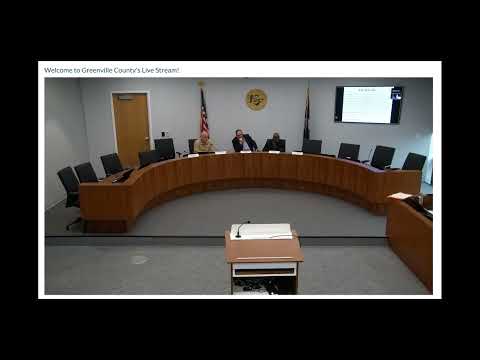
Following a multi-docket session, the Planning & Development Committee spent part of its April 6 meeting discussing broader policy issues: whether the countys Land Development Regulations (LDRs) and the comprehensive plan are synchronized and how the council should respond when planning commission decisions raise public concern.
The chair said the county will schedule meetings with state officials and county staff to document the roles of staff, the planning commission and the council under state law. "We are looking now ... to set up dates with state officials and discuss what the role of staff is, what the role of planning commission is, what the role of council is by state statutes and laws," the chair said.
County staff and the county attorney explained that state-maintained roads fall under South Carolina Department of Transportation (SCDOT) authority for access and mitigation, and that the countys ability to require additional conditions beyond DOT standards is legally constrained. The county attorney advised caution about attempting to enact extra requirements without appropriate legal research and noted potential litigation and vested-rights issues tied to rejections and approvals.
Committee members agreed on the need for a coordinated effort to review and update ordinances regularly; staff suggested a rolling review process and said the initial effort would be a heavy lift but manageable if it becomes routine. One staff member recommended periodic ordinance reviews every six to 12 months and a running list of outstanding LDR items that could be brought back to planning commission and council.
The committee asked staff to schedule workshops, coordinate with the Board of Zoning Appeals if text amendments are proposed, and return with a proposed timetable for LDR and comp plan alignment work.