Lifetime Citizen Portal Access — AI Briefings, Alerts & Unlimited Follows
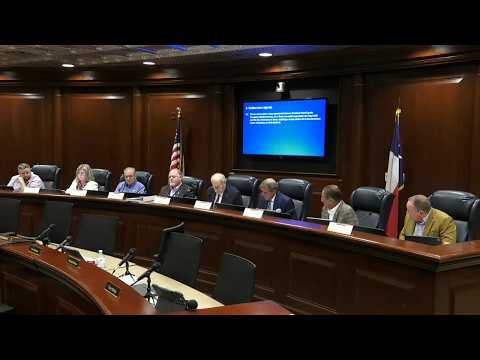
Planning & Zoning Commission denies rezoning of Knox Ranch after residents raise transparency, safety and environmental concerns
Loading...
Summary
The Granbury Planning & Zoning Commission voted to deny a request to amend the comprehensive plan and rezone roughly 2,000 acres at Knox Ranch (2801 W. US Highway 377) to industrial following extensive public opposition and a city‑attorney briefing that a prior TCEQ permit vests some development rights. Residents and advocates cited notice errors, environmental and safety risks, and alleged back‑room commitments.
The Granbury Planning & Zoning Commission voted to deny both a comprehensive‑plan amendment and an industrial zoning change for roughly 2,000 acres at Knox Ranch, 2801 West U.S. Highway 377, after more than a dozen residents and advocacy groups urged commissioners to pause and reject the request.
City staff described the property as about 2,084 acres currently zoned interim holding and said notices were mailed to property owners within 200 feet and published as required; staff reported no letters in favor and four in opposition within the 200‑foot notice area. Staff recommended altering the comp plan and the zoning to reflect a proposed industrial use, though the staff report contained inconsistent language about whether the recommended zoning was industrial or light commercial.
The hearing drew sustained public opposition. "No one has had sufficient time to review all these records," said Rachel Jacobson, a resident, urging commissioners to delay action while Public Information Act records are still being produced. Carolyn Fauber, who said the comprehensive plan discourages industrial uses adjacent to residences, read a July 2, 2025 letter she said pledges a 60% property‑tax abatement for 10 years in support of "Project Patriot," and questioned recent deed transfers and ownership disclosures.
Local groups and residents cited environmental and health risks. A speaker for the Greater Fort Worth Sierra Club warned that data centers and a gas‑fired plant would increase air pollution, use large volumes of potable water, and create heat‑island and noise impacts. An engineering‑trained resident urged the city to obtain technical input on cooling systems, water demand and safety risks before changing land use.
Several residents also raised procedural concerns about public notice and the legal description used in the public notice. Multiple speakers said QR codes on signage directed users to broken links and that notices listed an incorrect address and owner. "Because that's wrong, I think you have a legal problem in moving forward with this zoning," said one commenter who urged the commission to pause.
At a pivotal point in the hearing, the city attorney clarified the legal constraints posed by Texas Local Government Code §43.002: because the Texas Commission on Environmental Quality (TCEQ) issued a permit for a power plant that vested use rights prior to annexation, the municipality cannot prohibit a person from continuing to use the land in the manner authorized by that permit. "You can either amend the comp plan and rezone to match the vested use, or not rezone and live with a legal nonconformity you cannot control," the city attorney said, summarizing the city’s options.
Commission members debated whether to act now or wait for project applications and additional public information. A motion to approve the comprehensive‑plan amendment failed for lack of a second; a later motion to deny the amendment passed (commissioners recorded a 5‑to‑1 result on denial). The commission then voted to deny the zoning change to industrial by a 5–1 margin.
The Planning & Zoning Commission’s action is advisory to the City Council; the council will receive the commission’s recommendation and may consider the matter next under the city’s legislative timetable. The P&Z portion of the meeting then adjourned.