Lifetime Citizen Portal Access — AI Briefings, Alerts & Unlimited Follows
Whites Creek students pitch expanded recovery court, mental-health beds, Barnes Fund boost and cautious use of LPR cameras
Loading...
Summary
Students from Whites Creek High proposed expanding Davidson County Recovery Court, funding inpatient mental-health programs and the Barnes Fund for affordable housing, increasing MMPD staffing and implementing license-plate-reader cameras with community safeguards; council members and officials emphasized community engagement and asked agencies to follow up on transit and bus safety training.
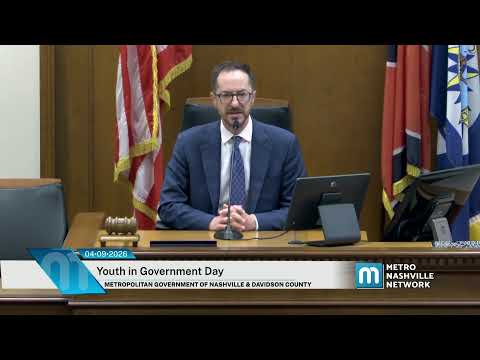
Students from Whites Creek High School presented a multi-part public-safety proposal urging the city to expand the Davidson County Recovery Court, increase inpatient mental-health capacity, boost funding for the Barnes Fund to spur affordable housing, thoughtfully implement license-plate-reader (LPR) cameras with transparency safeguards, and invest in Metro Nashville Police Department staffing and training facilities.
"The Davidson County Recovery Court program has done a great job of providing transformative treatment," said Joey Cowden, the Whites Creek presenter, arguing that expanding the program would reduce reoffending by addressing substance-abuse-related drivers of crime. Mikaela Hester recommended increasing inpatient-treatment beds and staffing at DCSO and cooperative mental-health facilities, noting capacity limits cited in the presentation. "We need more staff and more beds to help those suffering with mental health," she said.
Alaysha Harris urged increased support for the Barnes Fund, which she described as an incentive for developers to build affordable homes; the students noted that only 395 new for-sale affordable homes were produced between 2013 and 2024 and asked the council to consider additional incentives. Gianna Grant presented survey-based support for LPR cameras in public-safety scenarios but emphasized building community trust, data safeguards and transparency before deployment.
During Q&A, council members and a director cautioned that surveillance tools can harm marginalized communities if implemented without safeguards. A student recounted that someone had tried to sell drugs to a school group on a WeGo bus the day before, prompting questions about onboard safety measures and whether student riders know how to use bus safety features. Council members asked staff to include transit-safety training and outreach to students as part of follow-up.
The presentation produced no vote or motion. Council members thanked the students and asked that their slides and recommendations be forwarded to the mayor's office, Metro Schools, WeGo and public-safety departments for technical review and possible action.