Hillsborough student proposes zoning change to protect tree canopy and wildlife corridors
Loading...
Summary
A Hillsborough High student asked the council to add a 'wildlife and tree cover' section to Title 17, Chapter 17.24 requiring new developments to select from three canopy-preservation options, including a 50-foot wildlife corridor standard; council members requested planning department analysis of lot-size impacts and hardship exceptions.
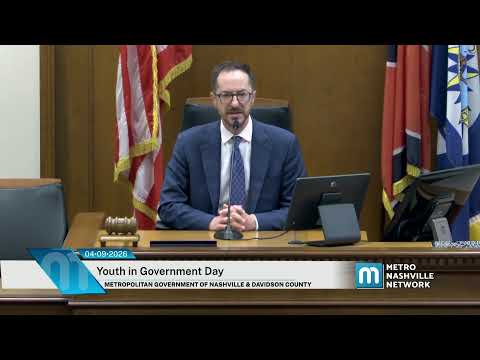
Sparrow Stone, a Hillsborough High School student, proposed adding a new section to Title 17, Chapter 17.24 of the city zoning code to protect tree canopy and create wildlife corridors on new developments.
"This section will be entitled wildlife and tree cover," Sparrow Stone told the Metro Council chamber, laying out three compliance options for developers: preserve at least 40% of predevelopment canopy by individual-tree count; dedicate at least 25% of a site to canopy cover measured by area; or participate in an easement program to create a wildlife corridor along one edge of a property. The student described replacement standards for damaged trees and minimum corridor dimensions, saying the corridor standard would be at least 50 feet wide and require specified counts of canopy and understory trees and shrubs.
Council members asked practical questions about how the standards would apply to irregularly shaped parcels and whether variances to the zoning standards might be sought through the Board of Zoning Appeals. Sparrow Stone said the three-option approach was intended to offer flexibility across different lot shapes and development types and suggested planning staff model the math for typical parcel sizes.
The student cited nashville.gov and an external urban canopy data source for tree counts and linked the proposal to existing landscaping and buffer-yard standards in Chapter 17.24. Council members and a school board member praised the clarity of the proposals and committed to forwarding presentation materials to planning staff for technical analysis.
There was no formal vote. The council requested that planning and relevant staff evaluate how the proposed standards would interact with existing zoning, provide acreage/lot-size modeling, and report back to the council.