Get Full Government Meeting Transcripts, Videos, & Alerts Forever!
Get email alerts on the Ethics And Open Meetings topic
No spam. Unsubscribe anytime.
City staff orients Public Safety Commission on Brown Act, conflict rules and duties
Summary
City staff and the assistant city attorney briefed commissioners on the Political Reform Act, the Ralph M. Brown Act, and AB 1234 ethics training requirements; they also outlined the commission's advisory role over public-safety tax funds.
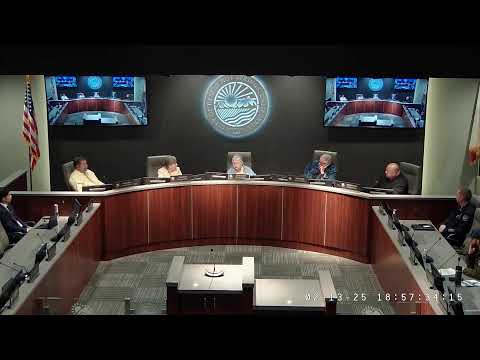
City staff and the assistant city attorney provided a general orientation to the Desert Hot Springs Public Safety Commission at its Feb. 13 meeting, reviewing the legal and procedural obligations commissioners must follow.
Assistant City Attorney Tuan Vu told commissioners that the Political Reform Act requires disclosure and recusal when a financial interest could influence a decision and noted that the Brown Act limits discussion to items on the posted agenda and prohibits serial communications that would constitute a meeting. He summarized AB 1234 ethics-training obligations—two hours in the first year and two hours every two years thereafter—and pointed commissioners to FPPC training resources.
Vu also explained the commission’s advisory role: it is charged with advising the police department and city council on use of a dedicated public-safety tax and making recommendations on projects that affect public safety. Staff reiterated meeting mechanics, agenda-posting timelines (72 hours for regular meetings), minutes policy, and that the commission follows Rosenberg’s Rules of Order.
Commissioners asked procedural questions about how to raise items for future agendas and what constitutes permitted brief responses to public comments; staff advised commissioners to route new topics to staff so they can be agendized.