Residents urge Shelton City board to restore school funding, warn 0% proposal would cut special‑education services and programs
Loading...
Summary
Parents, educators and local residents told the Shelton City board that a mayoral proposal for a 0% increase to the Board of Education budget would force staff cuts and eliminate extracurriculars; speakers asked the board and Mayor Loretti to meet families and reconsider the proposal.
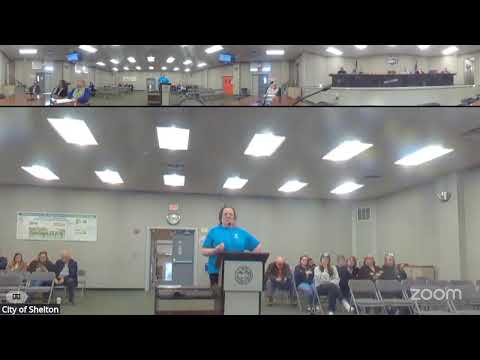
At a Shelton City meeting, a string of parents, teachers and residents urged elected officials to reject a proposed 0% increase to the school district budget and restore funding for special education and extracurricular programs.
Dr. Michelle Epler, president of Shelton SEPTA and a 25‑year educator, told the board the proposal “threatens to dismantle the foundation of that success,” citing testimony presented earlier that the flat budget could force elimination of “72 to 94 positions in the district and wipe out all sports and extracurricular activities.” She asked Mayor Loretti to meet with SEPTA leaders and families so officials could “see what it’s like every day for our teachers to work with large class sizes and especially how that affects our students with special needs.”
Other speakers made similar appeals. Georgian DeCosta said she was speaking on behalf of families and described teachers routinely asking parents for classroom supplies: “Basic supplies like tissues…should be available in the classroom.” Liz, who gave only her first name, said long-standing budget choices have made schools the county’s default cut‑item and asked the board to “approve more funding than what is proposed,” warning that losing programs drives families away. Debbie Brown, a parent of two students with IEPs, urged board members to visit students and meet families before approving a flat budget.
Dr. Rachel Bauer, a theater arts professor, emphasized nonacademic programs’ role in student achievement and retention: “Paracurricular activities, including the arts, athletics…help students learn better at all levels,” she said, and warned that continued cuts could prompt families to leave town.
Speakers presented data and local context. Dr. Epler, citing state reporting, said Shelton’s per‑pupil spending ranked near the bottom among peer districts and urged local investment rather than blaming state aid. She also noted a recent property revaluation and suggested the city could lower the mill rate while increasing school funding.
The comments were part of the meeting’s public‑comment period; the board did not vote on the school budget during the session. No formal action on a school budget was recorded in the transcript; next procedural steps were not specified during the meeting.
The public comment record also included other items — a request to pave Riverview Park Road and a conservation commission complaint about unfilled appointments — but the dominant theme of the night was community concern over school funding and the potential local impact of a 0% increase.