Lifetime Citizen Portal Access — AI Briefings, Alerts & Unlimited Follows
Caddo Parish committee approves 2026 internal audit plan adding AI policy review and CVEU audit
Loading...
Summary
The Caddo Parish Finance and Audit Committee voted 5–0 to approve its 2026 internal audit schedule, which includes an advisory review of artificial intelligence policies and a compliance audit of the Commercial Vehicle Enforcement Unit (CVEU). Committee members asked staff about CVEU jurisdiction, staffing and funding.
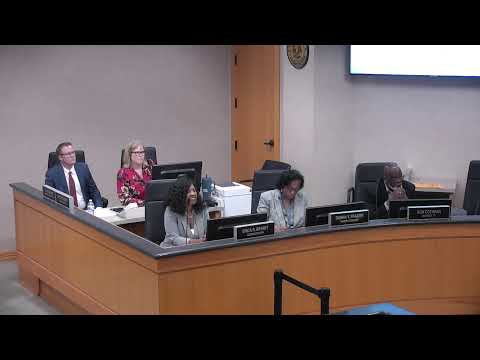
The Caddo Parish Finance and Audit Committee voted 5–0 to approve a 2026 internal audit plan that will include an advisory audit of artificial intelligence use and policies and a separate audit of the parish’s Commercial Vehicle Enforcement Unit.
Miss Haley, who briefed the committee on the proposed plan, said the parish currently does not have an AI policy and that the advisory audit is intended to assess how departments use AI and what policies should accompany that use. “The the longer AI is out and available, the more uses that will become available to different departments,” she said.
Committee members spent most of the discussion on the CVEU, a Public Works unit that issues permits and fines for heavy loads on parish roads. Mister Weaver described the unit’s purpose as road-safety focused: preventing unsecured or overweight loads, directing permitted haul routes and identifying companies responsible for damage. “Mainly, our main deal is, like, we set this up. We’ve been doing it since 2010,” Weaver said, explaining that fines and permit fees have historically covered the unit’s costs.
Members pressed staff on jurisdiction and enforcement limits. Weaver said CVEU enforcement applies only to parish roads and not to state highways or city streets; the parish can document damage and forward information or invoice companies that cause harm. He told members staff are negotiating haul routes with a data center to limit damage and noted the office uses certified scales: “We have scales. You have multiple scales… they’re certified.”
Weaver said the unit operates with one dedicated officer (deputized or commissioned by the sheriff’s office) and a back-office permitting function managed by Toya Edwards. He described enforcement as primarily educational in earlier years and as now self-sustaining through permit and fine revenue. Weaver also referenced a recent negotiation with an oil company over road repairs and invoicing that appears likely to be paid.
Members also asked about where the audit cycle stands and whether high‑exposure items would be revisited. Miss Barnett and Miss Haley said audits rotate through departments and that staff plan to review the Walter B. Jacobs capital project next year to identify lessons and potential savings.
A motion to approve the 2026 internal audit schedule was made and seconded per the meeting record; the committee voted with five in support and none opposed. The committee then moved to adjourn.
What happens next
Staff will schedule the two audits in the coming audit cycle and return to the committee with timing and scoping details. The committee flagged the Walter B. Jacobs capital project as a likely near‑term follow-up audit item.