Get Full Government Meeting Transcripts, Videos, & Alerts Forever!
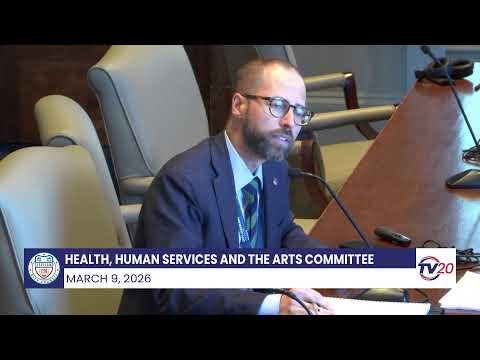
Health director pitches changes to Lead Safe law to prioritize high-risk rentals and longer certification intervals
Summary
The city's public health director proposed multiple amendments to the 2019 Lead Safe law aimed at steering remediation toward higher-risk rental properties, expanding lead risk assessments, and lengthening certification intervals for repeatedly compliant properties; council members pressed on testing thresholds, workforce capacity and how quickly remediation funds reach residents.
The Cleveland Department of Public Health presented a package of conceptual changes to the 2019 Lead Safe law focused on increasing remediation of higher-risk rental properties, improving the quality of inspections and incentivizing landlords to make long-term repairs.
Director of public health told the committee the city's lead poisoning rate, measured on the federal action level of 3.5 micrograms per deciliter, has dropped in preliminary 2025 figures to 14.4% from 16.8% the previous year and 18.1% before that. "We have all the data we need," the director said, arguing that the problem was not lack of information but that earlier approaches—particularly reliance on clearance exams—left properties superficially cleaned and did not reduce poisoning rates.
To change that dynamic, the department proposed several conceptual amendments under consideration by the Lead Safe Coalition's policy committee this week: requiring standardized report forms for inspections, granting lifetime property certificates where…
Already have an account? Log in
Subscribe to keep reading
Unlock the rest of this article — and every article on Citizen Portal.
- Unlimited articles
- AI-powered breakdowns of topics, speakers, decisions, and budgets
- Instant alerts when your location has a new meeting
- Follow topics and more locations
- 1,000 AI Insights / month, plus AI Chat