Get Full Government Meeting Transcripts, Videos, & Alerts Forever!
Get email alerts on the Fair Chance Housing topic
No spam. Unsubscribe anytime.
Fair Chance Housing Act would limit blanket eviction of applicants with criminal records, sponsors say
Summary
SB 9-37 creates a two-step rental application process requiring notice of disqualifying offenses and allowing conditional offers before criminal-background checks; advocates said the change helps returning citizens secure housing while realtors warned of liability and enforcement challenges.
Senator Shanika Henson presented the Maryland Fair Chance Housing Act (SB 9-37), a reintroduction designed to reduce blanket exclusions of prospective tenants with criminal records by requiring upfront notice of disqualifying offenses and a two-step process that can produce a conditional offer before the criminal-background check.
“We want people to have a fair chance at housing,” Senator Henson said. The first step requires landlords to disclose which offenses (and time frames) could automatically disqualify an applicant so an individual can decide whether to apply before paying an application fee. If the applicant passes initial screening on factors like credit and rental history, they receive a conditional offer, after which the landlord may run the criminal-background check and apply narrow, listed disqualifiers.
Proponents from BUILD and the Vera Institute emphasized evidence that stable housing reduces recidivism and improves public safety. Ramika Robinson, who testified as formerly incarcerated and now working in reentry advocacy, described how lack of housing options prolonged risk after release.
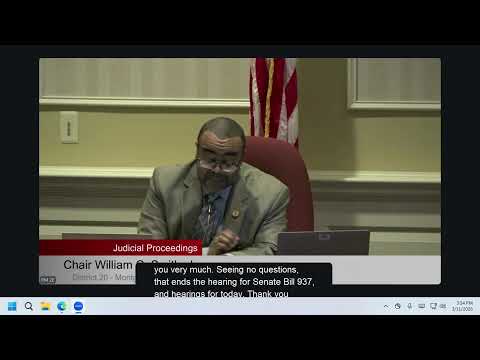
Maryland Realtors urged an unfavorable report, citing liability concerns around conditional offers, usage of HUD disparate-impact guidance and potential exposure for property managers. The committee closed testimony after hearing pro and con views and no immediate committee action was recorded.
Next steps: Lawmakers asked about HUD guidance and pending state bills related to disparate-impact rules; stakeholders said they are willing to work toward clarifying exceptions and liability protections.