Get email alerts on the Accessory Structures topic
No spam. Unsubscribe anytime.
Board backs changes to allow accessory structures closer to side streets with screening and permit standards
Summary
The board recommended changes to accessory-structure rules that would let permanent sheds and similar enclosed structures be located closer to secondary streets on corner lots, while requiring engineering, setbacks and screening to address neighbor privacy and storm-safety concerns.
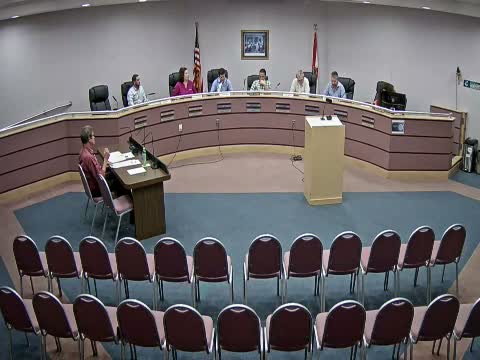
The Planning and Advisory Board recommended amendments to the city code to allow certain accessory structures (sheds, gazebos, small enclosed buildings) to be placed closer to the side or secondary street on corner lots while maintaining setbacks, permitting standards and screening requirements.
City staff said the change is intended to reduce repeated requests to the Board of Adjustment and to clarify standards for corner lots. "Accessory structure is basically what we have right now... What we wanna do is open that up so they can put a shed out there," Carl explained, outlining the change to allow permanent accessory structures in the second-front-yard area subject to setbacks and engineering requirements. Staff noted temporary structures below a small size remain treated differently and that most prefab sheds carry certification information used for permit issuance.
Residents raised concerns that moving permitted structures closer to sidewalks could put sheds in full view of neighboring front yards and suggested adding screening or requiring fences in some cases. Board members pressed for clear verbiage on required screening and buffer options (landscape, fencing) to mitigate privacy and visual impacts.
A motion to recommend the accessory-structure language with additional required screening passed on a recorded aye response from members during the meeting. The board asked staff to carry screening language consistent with other code sections forward in the recommendation to City Council.
What’s next: The code draft and the board’s recommended screening language will be forwarded to City Council for consideration.
AI generated
The text on this page is AI generated. Summaries, highlights, analysis, and video transcripts are all produced from the original source material.
AI can make mistakes, so if you spot one, and we will fix it for everyone.
Note: the source content is unaltered by us. Any content source we link to, be it a video, an audio recording, or a document, is presented exactly as its publisher released it. That publisher is usually a government body, sometimes an individual official or another organisation.